

Category Archives: Features

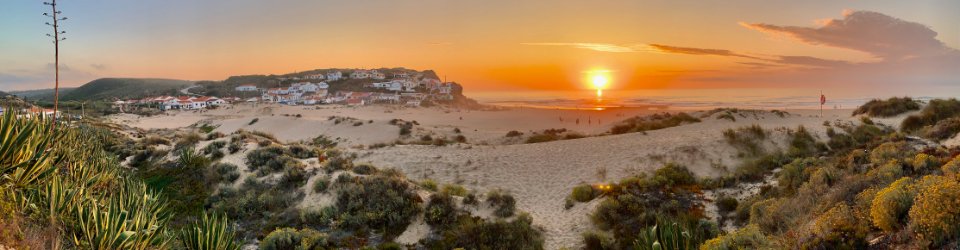
Aljezur – The Fertile Beachfront

Matt D’Arcy found this article whilst researching some other material and it occured to him that it would serve as a nice introduction to people wondering what lies outside and around Vale da Telha…..

This entry was posted by the contributor ‘moveforward’ on July 30 2009 in the Cities & Towns section of the following website:

http://www.portugalforum.com/cities/aljezur-portugal-the-fertile-beachfront.html

Vale da Telha sits on a plateau accessed via a wide well-surfaced hill road just three or four hundred metres before the N120 coastal road enters the small and historic town of Aljezur.

You can read about Vale da Telha, its facilities and its history in other articles here on the Amovate website.

But what lies outside and around Vale da Telha….?

This article should provide some useful information.

Aljezur is located at a distance of thirty kilometers north of Lagos in a fertile valley filled with greenery and vegetation.

The valley has long been known for its sweet potato crops as the rich land is fed by the river that cuts the area.

The old town is located on one side while the new town is on the other side.

The old town is built on a hillside, with the main street runs parallel to the river where there are many small cafes serving delights al fresco.

Aljezur Castle

A Moorish castle built in the 10th century is located high on the hill overlooking the old town with a full picturesque landscape.

Archaeological discoveries have confirmed that human had settlements in the area at about 4,000 BC. The oldest formally recorded civilization was established by the Romans, which was soon supplanted by the Moors who lorded over the area for six hundred years. In 1280, the town received its charter from the reigning King Dinis. The boundaries of the municipality are shaped as a rectangle delimited by the hills around it and the sea, making much of its landscape is greatly influenced by these two bodies. The coastal area is lined with high cliffs that nestle beach coves and untouched dunes. The inland is covered by rolling hills with receding vegetation lined up all in the row.  In between these rows, vegetables, sweet potatoes and peanuts are grown over the centuries.

Largely untouched during the centuries succeeding this era, it is now one of the fastest growing areas in the 20th century.

All throughout its chequered past, agriculture was the main economic industry in the region. So overflowing was the produce that the farm products were shipped to the market via the port up the Aljezur creek.

Over time, siltation made the creek impassable to barges or boats and the road running down Lagos was used for economic traffic before the earthquake of 1755 caused much destruction and disease to the town.

But now tourism is bringing people and jobs back into the area.

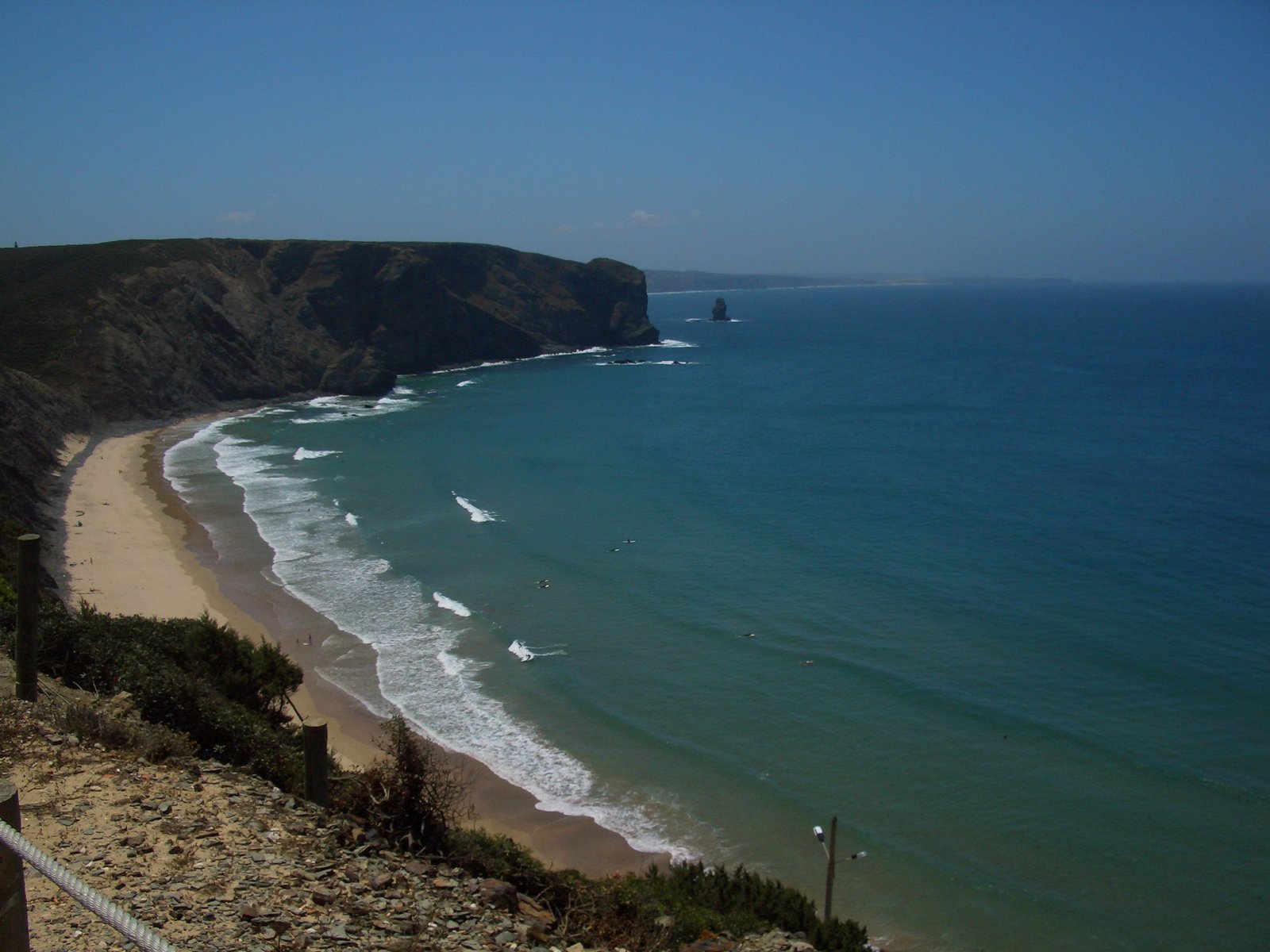
The beaches of Aljezur are the most breathtaking as the sea had carved the cliffs to make for the fine white sand

Surfers at Arrifana

beaches, those same Atlantic waves now creating a “must-do” destination for the most intrepid of surfers.

On the cliffs, many migratory birds have built nests amongst the many wild flowers.

The bays face the sun with the long strip of beach separating land from the sea. The following are some of the famed beaches of Aljezur.

Odeceixe is known for its long beach cut by the mouth of the Seixe creek. There is a resort built near the mouth of the creek and is geared for great family fun. The resort provides the greatest views from the inland Miradouro da Ponta Branca.

The Quebrada beach is one of the least visited beaches as this small swath of sand is hugged by the sea and the cliffs. Some of the other virgin coves are the Samouqueira, Vale dos Homens and Carriagem.

Amoreira

The Amoreira and Monte Clerigo beaches are twin beaches separated by rock formations

Monte Clérigo Beach

that lead up to Ponta da Atalaia or Lookout Point.

Arrifana Beach is a fishing hamlet with a long stretch of sand sheltered by cliffs.

This area is best attributed to the Moorish prince Ibn Caci in the 12th century. He lived in the area as a recluse while writing poetry.

There are also the remains of a fort built in the 17th century to protect the village.

Remains of the Fort at Arrifana

The Pedra da Agulha  (stone needle) is located in this area and is a magnificent sight to behold.

Pedra da Agulha

The most well known beach in the Aljezur is Bordeira. The beach’s name comes from the Ribeira da Bordeira, which flows into the southern end of this swatch of sand.

There is a fort built in the 17th century to protect the bay from marauding pirates,

and also a small headland named as Pontal that provides the best view of the surrounding beaches.

There is also a large deposit of fossils from the Mesozoic era and can be reached by the use of a wooden footbridge over the stream.

Aside from enjoying the beach, there is a whole host of activities that can be enjoyed in Aljezur.

Fishing hamlet at Arrifana

Sports anglers can rent boats for the day and be hopeful of landing big game fishing in the area. The waters are overflowing with many species of fish such as sea bass, conger eels, snook, sea bream and dory.

The famed fishing grounds of Aljezur are Baia dos Tiros, Esteveira, Samouqueira, Vale dos Homens, Carriagem, Fonte Sala, Pipa, Vale Figueiras, Canal, Atalaia, Bordeira, Pontal and Amado.

You can also enjoy the waves and go surfing or body boarding as the waters in and around Aljezur are among the best in Europe.

There are also many historic sites in Aljezur. Lying atop the hill, the castle foundations have seen much conflict between Christians and Moors over the centuries. The castle was built in the 10th century by the Moors with a large courtyard surrounded by high walls punctuated by two towers. The castle was badly damaged during the great earthquake of 1755. Another historic site is the Fonte des Mentires or Fountain of Lies. It was called such because of its association with a beautiful Arab woman and the taking of the castle.

There is also the Pillory, an area where criminals were paraded in front of the townspeople to be scorned and humiliated. There is also the Misericordia Church, a church rebuilt twice, first in the 16th century and then again the 1755 earthquake. The doorway is in the Renaissance with a fraternity table.

The Main Church of Aljezur was completed by the end of the 18th century and stood as the centre of the Igreja Nova area of the town. There are three main areas to the church with the magnificent main altar.

The church has a statue of the Nossa Senhora da Alva or the Lady of Daybreak made in the 18th century. Many of the religious images and artifacts come from the old church that was destroyed in the 1755 earthquake.

The side chapels are from the Nossa Senhora do Destiero or Our Lady of the Exile from Monchique. The baptismal font is in the Manueline style of the 16th century with crucifixes from the 18th century.

The finest treasure in the Church is a Eucharist box made of mother of pearl and gothic chalice, all housed in the Church’s ostensorium.

The municipality of Aljezur is a fascinating mix of the old and the new. Its natural surroundings and historic sites are must see places to be in, as one enjoys the development of the modern Portugal.

Still Time to Donate Cups / Mugs !!

We have had the following mail from Michelle Cassar who is trying to collect mugs & cups for use at local events, in an effort to reduce the “Sea of Plastic” which is usually left behind afterwards.

Just to let you know.  So far people have kindly donated 17 mugs for this Sunday´s Arrifana Sunset Fest.  So they will cover some of the musicians…  We need more!  There is still a few days to drop them off. & there are still FREE TICKETS AVAILABLE!

& don´t forget, bring your own mug on the night for A FREE Sagres.

The 123 sent me a PDF of the article that was in last weeks paper, for anyone who missed it in the shops & would like a look.

I have seen another event happening in Vale Da Telha later in the month, I will chat to the organisers & hopefully these mugs will make their way there after. So they could save many many plastic cups… With thanks,

Michelle

To view the PDF from the 123 and read more about Michelle and her work, please click on 123 Article


July 2011 Interview with Sargento Gabriel

A lot of people have been expressing their concern about noisy summer rentals disturbing their peace and quiet, raising the question of how best to integrate a close-knit community that is both residential and tourist-based.

Those of us who live here all the year round suddenly find ourselves invaded over eight or 10 weeks in the height of the tourist season, and find their ‘new’ neighbours partying until 6 or 7am, or singing through the wee small hours on the karaoke machines they bring with them.

One resident said the villa next door to them is invaded each summer by three families including a host of children, their rotweiller and their beloved karaoke, adding: “It is six weeks we dread all year round.”

The general theme—and the heartfelt plea—is “can we do something about it?”

Well, yes, you can! You CAN make them stop!

Amovate raised the issue with Aljezur GNR Commandant Sargento Gabriel Reis in our quarterly briefing with him. He was quick to reassure Vale da Telha residents—in fact, he is one of us, and appreciates the problem at first hand—that the GNR WILL act swiftly on any problems brought to their attention.

Sargento Gabriel said: “The fact is people—whether they live here or are here on holiday—cannot create the kind of noise and disturbance being talked about and it is important the residents with that kind of problem call us immediately.

“If you ring us at the police HQ on 282 998 130—the station is manned 24 hours a day, seven days a week—we will send a patrol to the house in question and tell them to shut down the music or the noise.

“They can play music only until 10pm, and even then only at a level so as not to disturb the neighbours.

“If the music is too loud even at 8pm we can send a patrol to quieten it.

“If we have to go back again to any house for the same reason the people committing the offence can then be fined.”

It is worth pointing out that before anyone rings the police they should assure themselves the noise pollution they are suffering at that moment is not just a brief interlude, and instead looks well set to go on for hours.

In order words, don’t get egg on your face by ringing the GNR then finding the music stops before they get there and the neighbouring—and offending—house has become as quiet as the grave!

Sargento Gabriel went on, with a quiet smile: “One of the problems is that people going on holiday and getting a welcome break from working all year or from their daily activities seem to feel that they have now moved outside normal life and arrive here feeling they can do everything they wish.

“Well, they cannot. They have to continue to live within the normal boundaries and to respect their neighbours.

“We spend all year in beautiful peace then the tourists arrive in July and August and suddenly it seems impossible live in Vale da Telha. But it isn’t and it shouldn’t be.

“If you have these problems, ring us and we’ll tackle them as quickly as possible.”

Summer, and the infusion of hundreds of outsiders, of course can bring other problems and Sargento Gabriel says villa owners should be very aware of an increased risk of opportunist theft.

He says reassuringly that, whilst individual victims do feel terribly upset and perhaps even violated when it happens to them, burglaries and thefts from houses in the Aljezur area are a minor problem.

But, still, people should not relax their vigilance.

He said: “In the summer when people tend to live outside a lot more, eating, drinking, reading by their pools, and swimming a lot more, they do tend to leave doors and windows open at the far side of the property.

“It is important that if, for example, you are relaxing outside, any doors and windows not in your line of sight, should be secured.

“And through the night, if you feel you need to leave windows open for ventilation make sure your shutters, if you have them, are secured.”

Thefts from cars are also a minor problem in this area, but they can occur when the beaches and car parks are packed during the summer months.

“Carrapateira is the biggest problem area in this respect, as cars tend to be parked on the cliffs overlooking the beach, or in car parks away from the beach and are therefore more vulnerable to sneak thieves,” the sergeant went on.

“Monte Clerigo and Arrifana usually only record two or three such instances a year and Amoreira perhaps five or six.

“But, while it is not a major problem, you can still become a victim, so it is important to take care when you drive to the beach. It goes without saying that you should not leave any valuables at all in the car, not just to put them out of sight.

“Opportunist thieves tend not to break into cars where they cannot see anything of value. But there are exceptions to the rule and once a thief has broken or forced a window and got into the car they can then open the boot and take any valuables left there.

“So take only what you need on the beach, and don’t leave any of that in your vehicle.

“And of course, while you are relaxing on the beach make sure that when you go away from your ‘base camp’, to swim or maybe to go and buy a drink or ice cream, at least one person always stays behind to guard your belongings.”

Sargento Gabriel also advises you not to leave personal effects like your driver’s licence and passport in your glove compartments.

“When you go out in your car within the Aljezur region you can carry a copy of your licence and your passport, which will service as identification should my officers stop you,” he said.

“That will be sufficient in this area, although other areas may want to see the original documents.”

On other matters Sargento Gabriel points out there is now a new car park, with 200 spaces, behind the market at the bridge in the town.

And a road behind the new Intermarché Supermarket will, once it is opened, become one-way to avoid congestion. For clarification this is the road where the ACCT Charity Shop was located before its move to the high street.

Some people have also been asking about the question of dog leads, having heard that a new law may require a full chest harness rather than a simple lead attached to your dog’s collar.

But Sargento Gabriel says this is not the case—the type of lead you use for your dog remains entirely your choice. All the law requires is that you keep your dog on its lead and not allow it to run free unsupervised, which IS an offence.

Aljezurense FC Presentation Night 2 July 2011

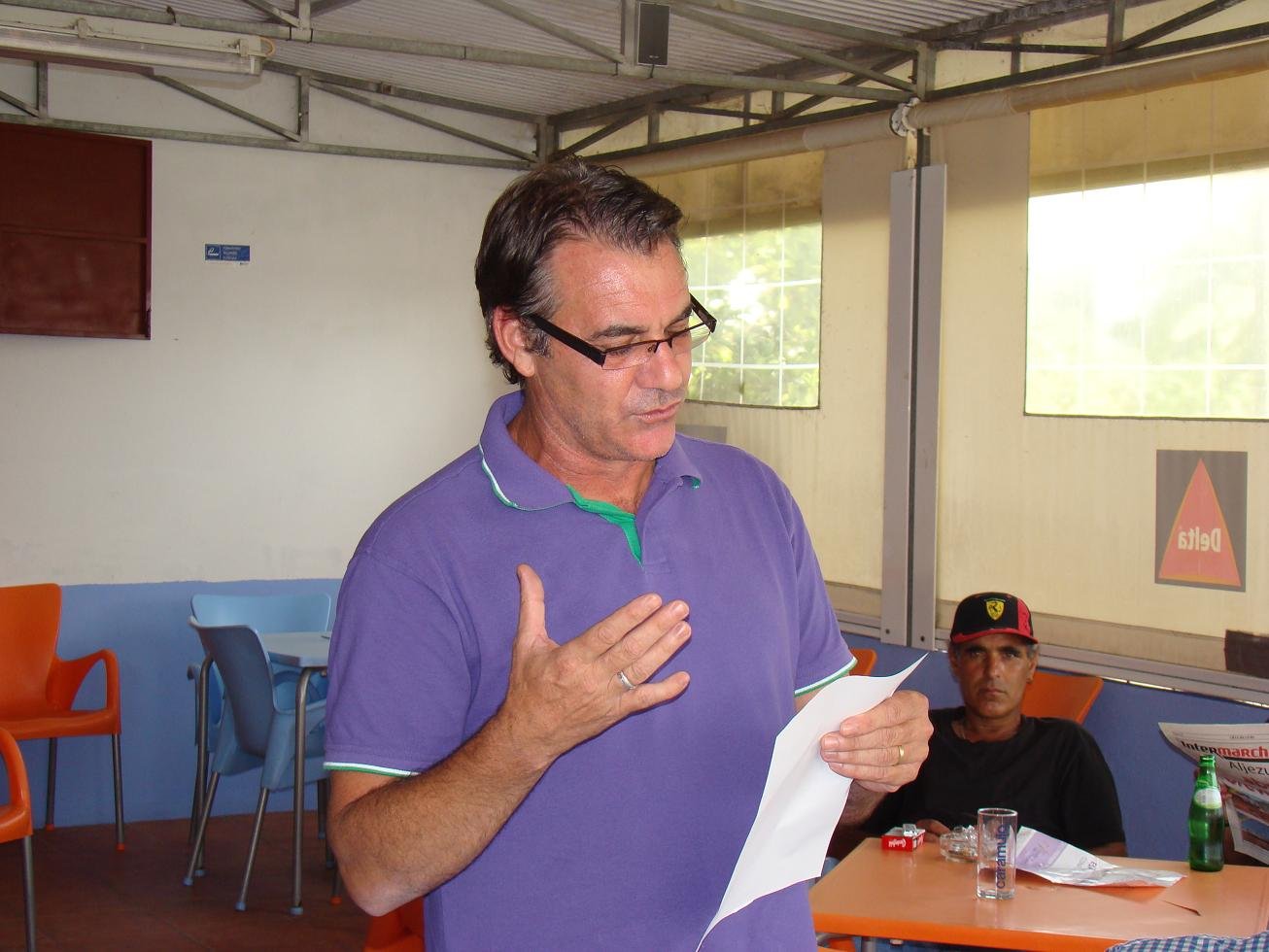
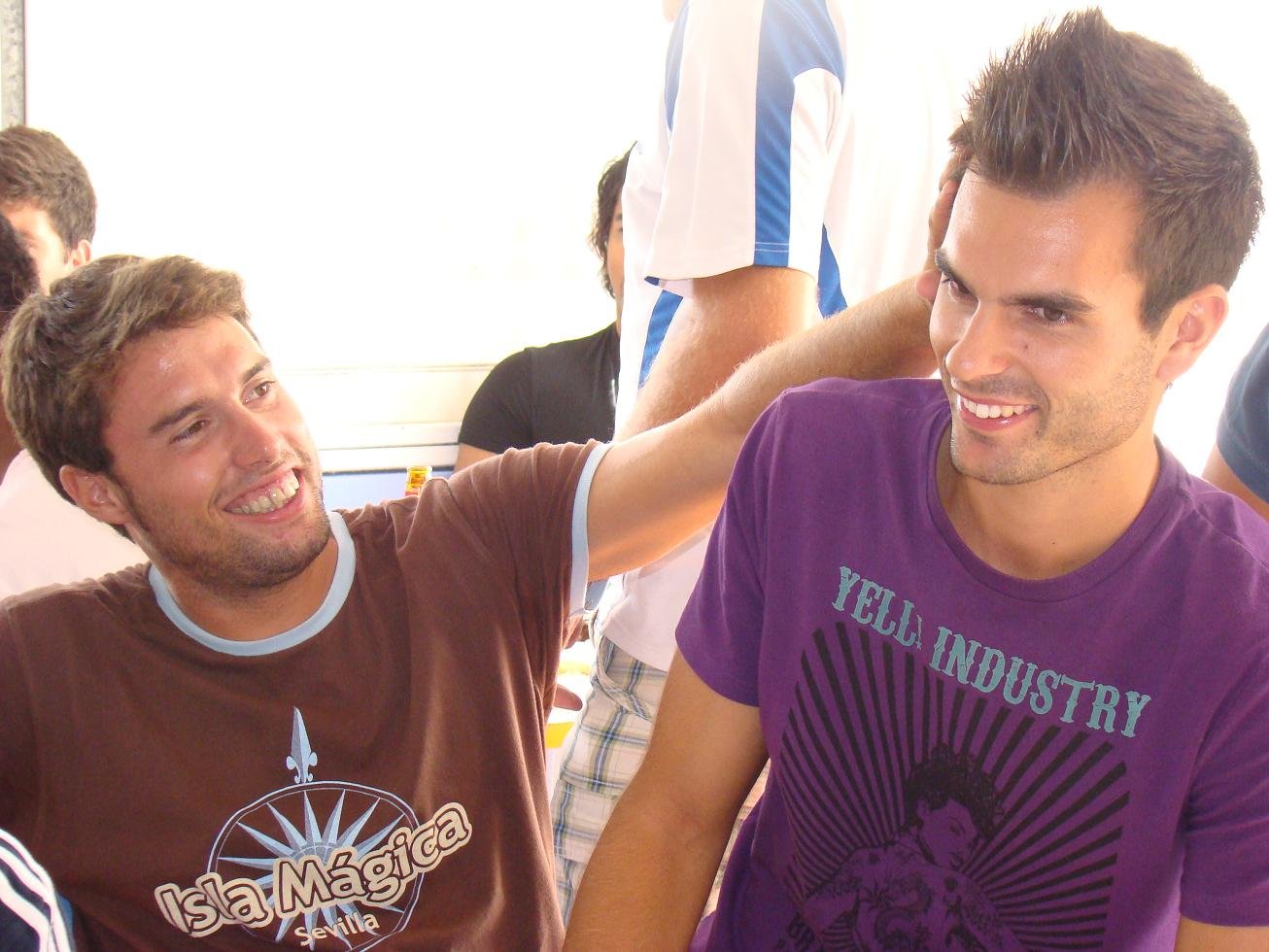
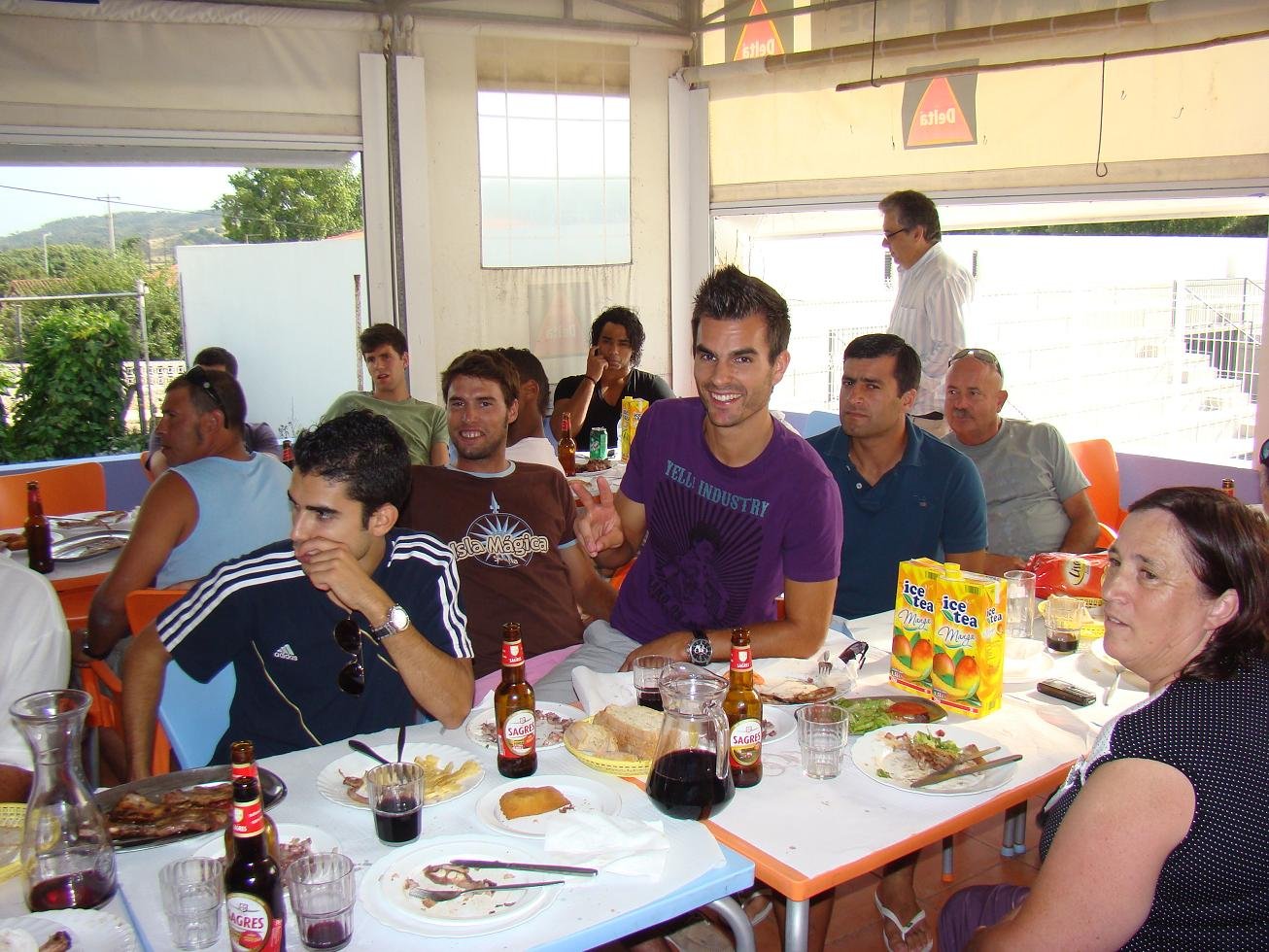
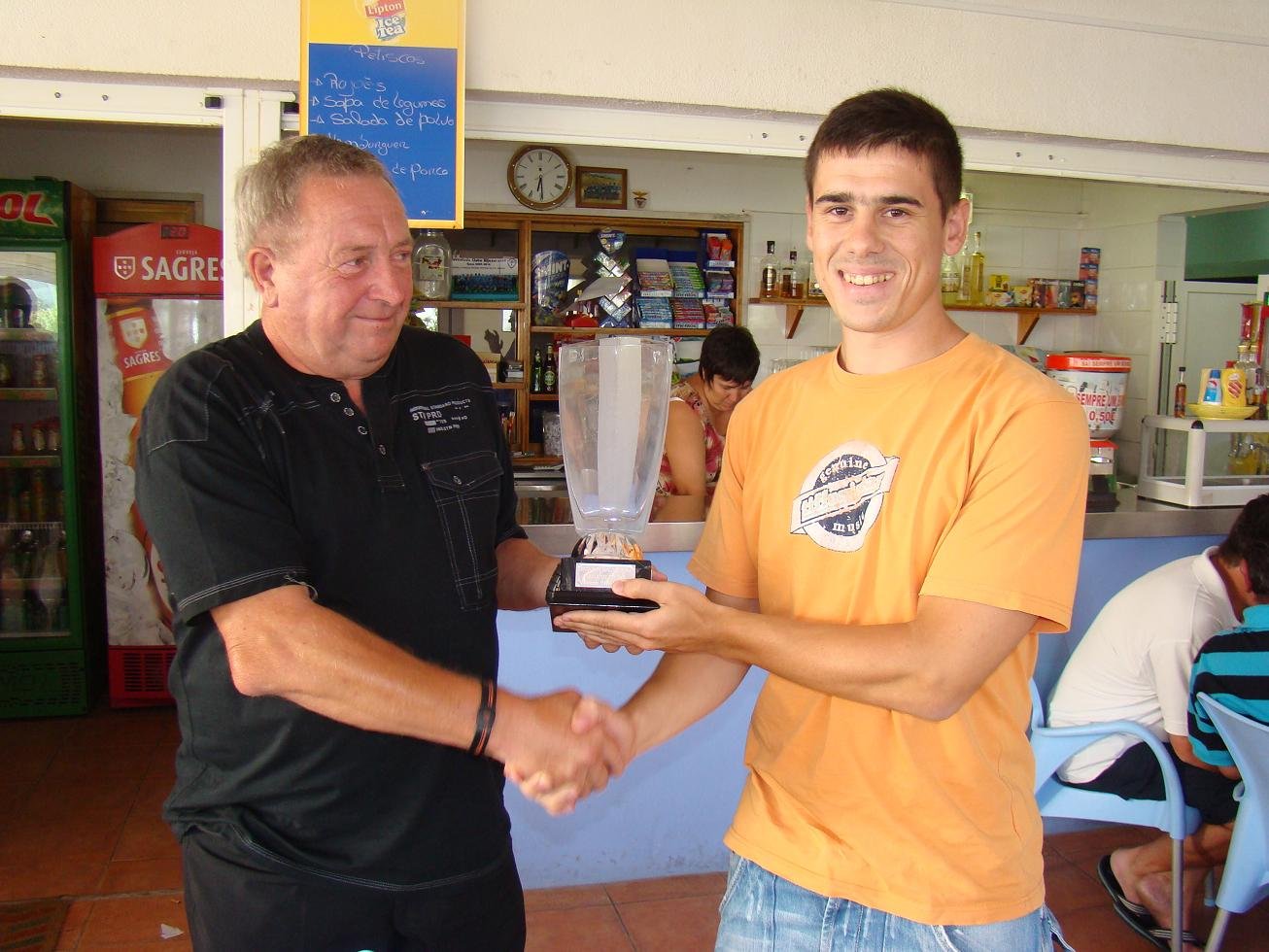
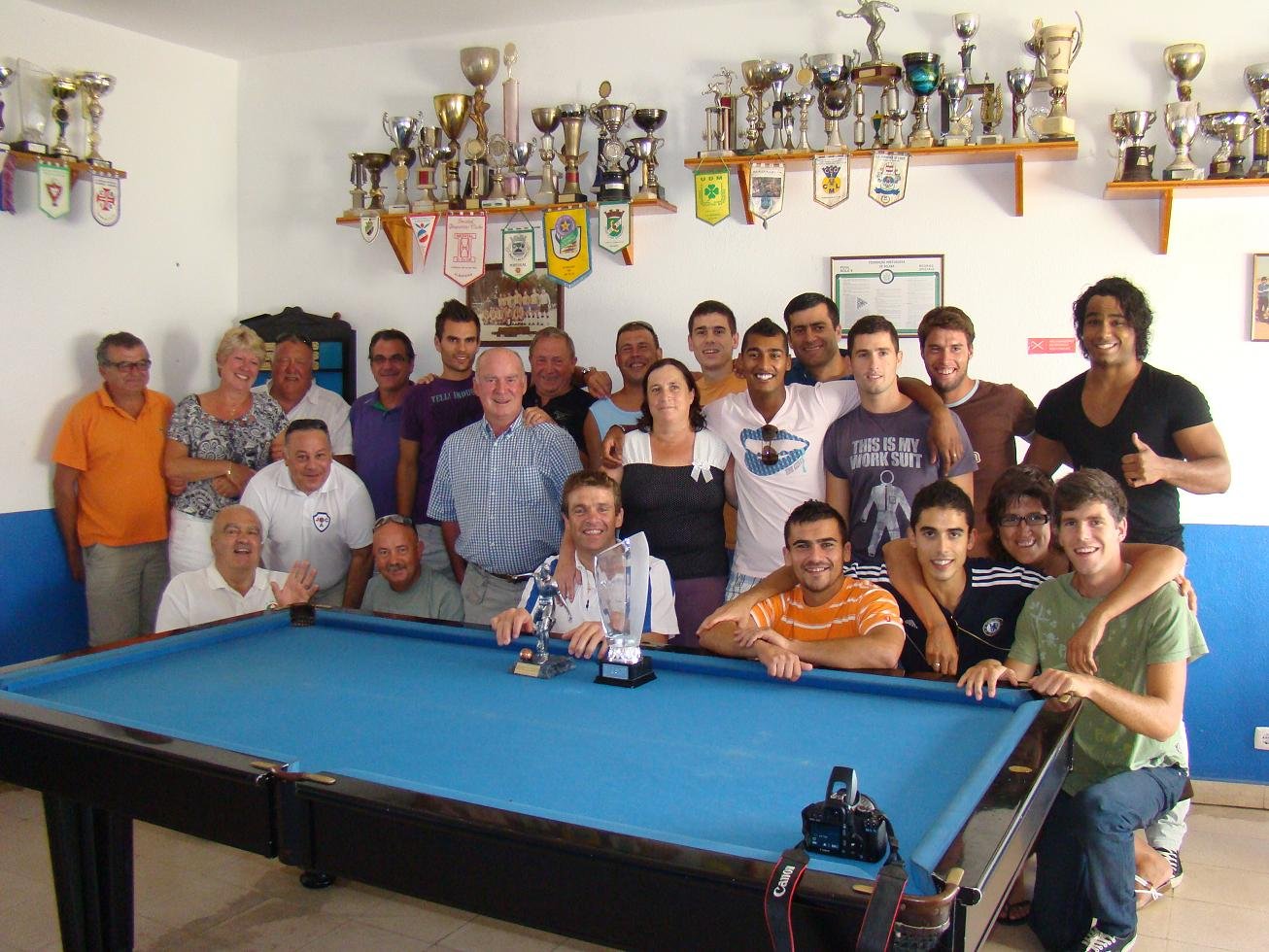
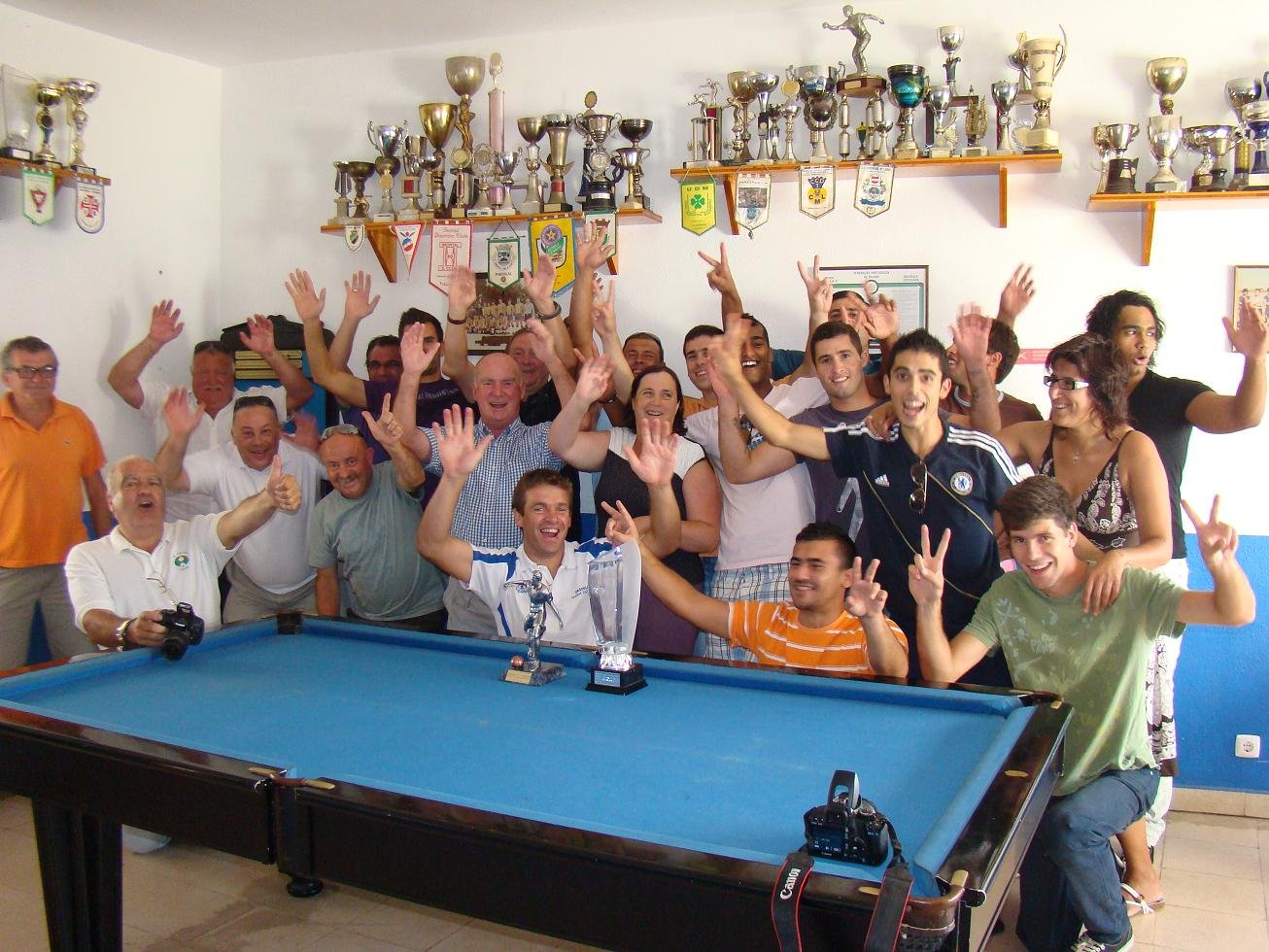
President Peter Johnson and fellow supporters were guests of Aljezurense FC this weekend to present Amovate’s Player of the Year trophy during the club’s annual dinner.

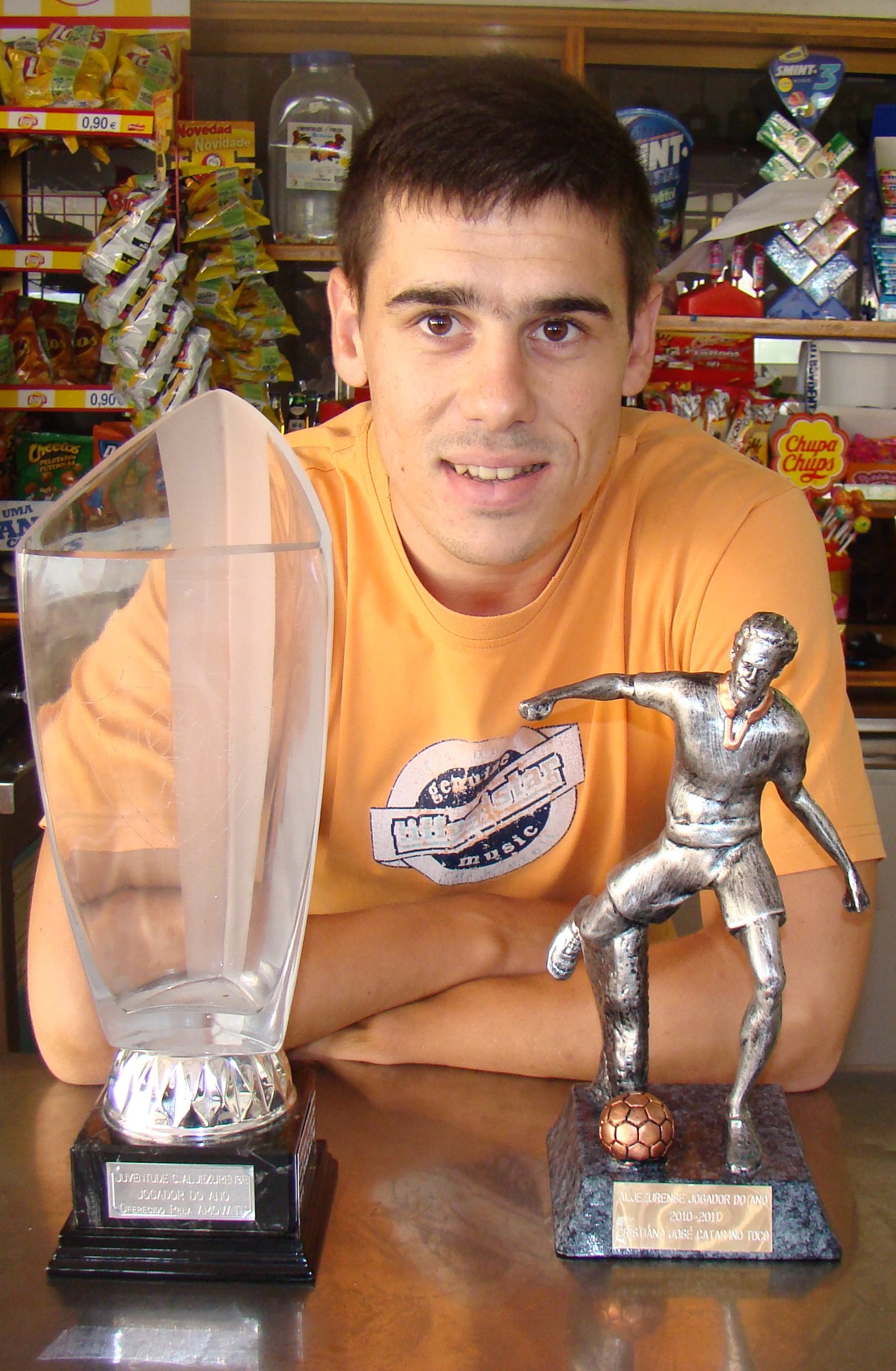
The manager, Luis Miguel Matos Correia, and players watched as Association secretary Ian Bedford made the eagerly-awaited announcement, naming goalkeeper Toco—Christiano José Catarino Toco—as the top player for the 2010-2011 season.

It is the third successive year that Amovate have presented the award, firming up our relationship with our local club.

Some of the regular supporters rarely miss a match home or away, a fact much appreciated by the players who usually come to the touchline at the end of each away game to applaud their presence.

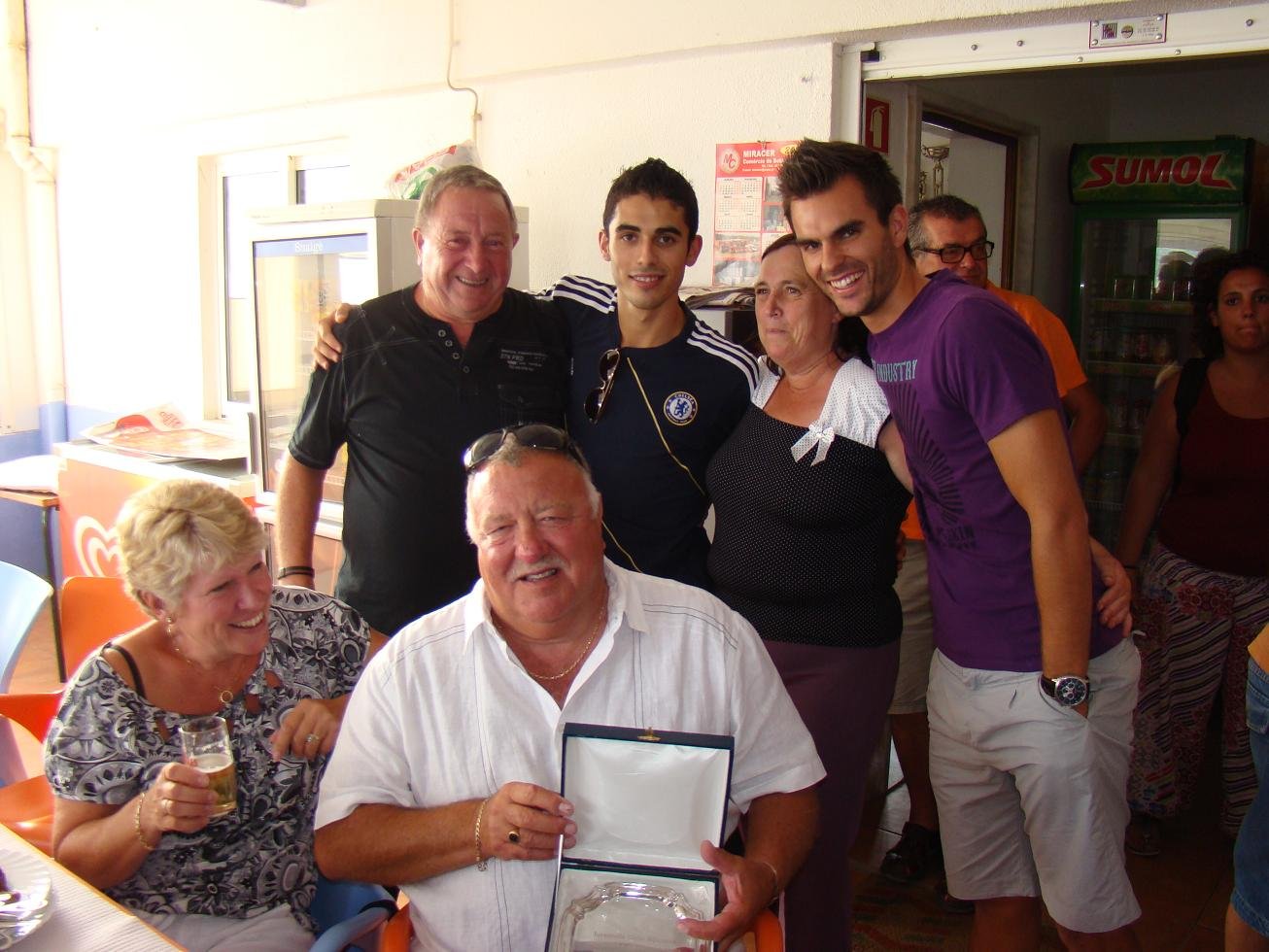
And at the end of the evening the club presented Amovate with a silver salver as a token of their appreciation for their ongoing support.

Three years ago, after learning that while the club had an annual Leading Goalscorer Award there was no nomination for a Player of the Year, Ian, his wife Sue—Amovate’s treasurer–and Peter asked for permission to donate such a trophy each season.

The club were delighted with the gesture, and since then the travelling ex-Pat support have held an annual end-of-season vote to name their outstanding player.

Guests at the Presentation

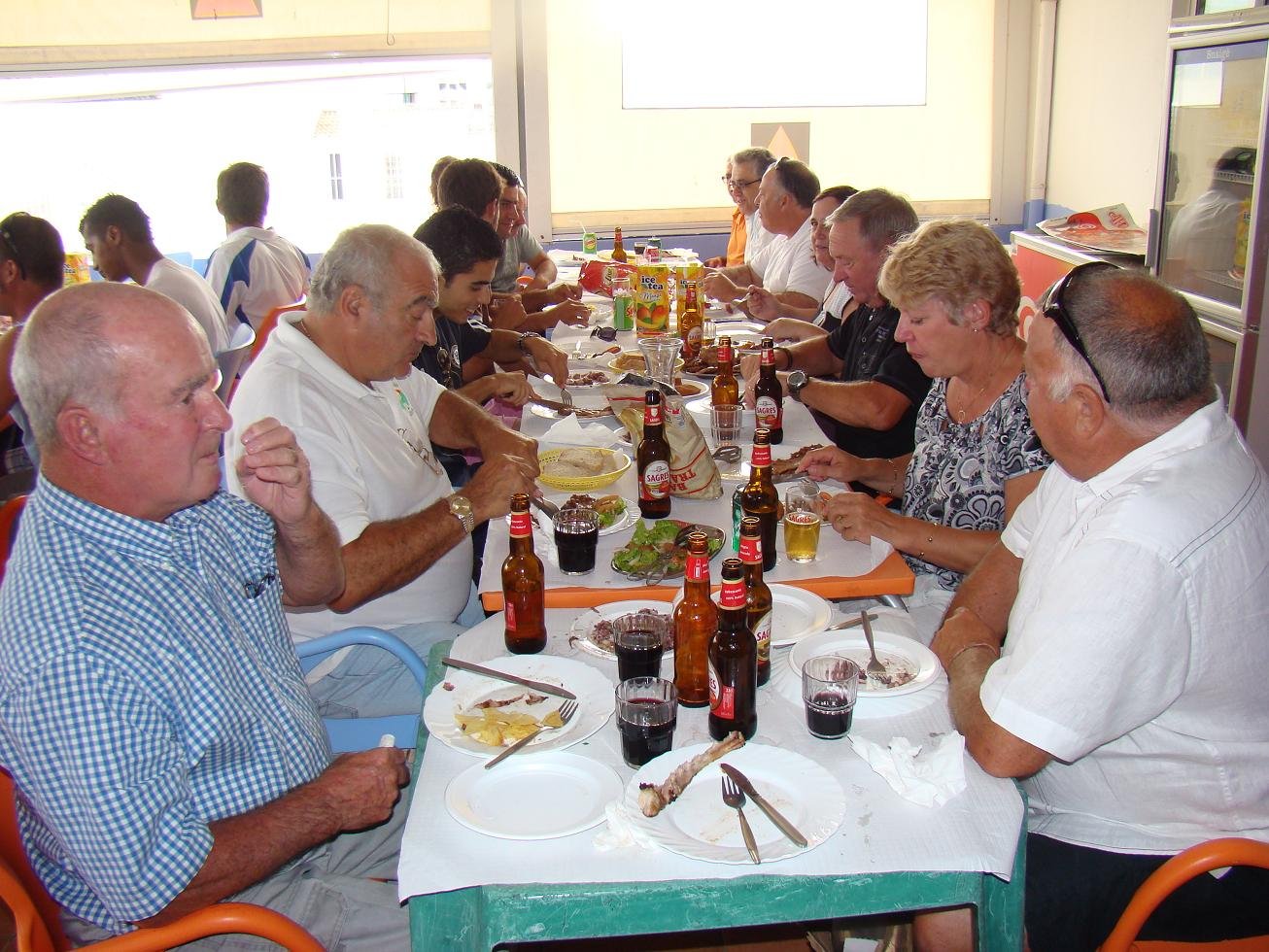
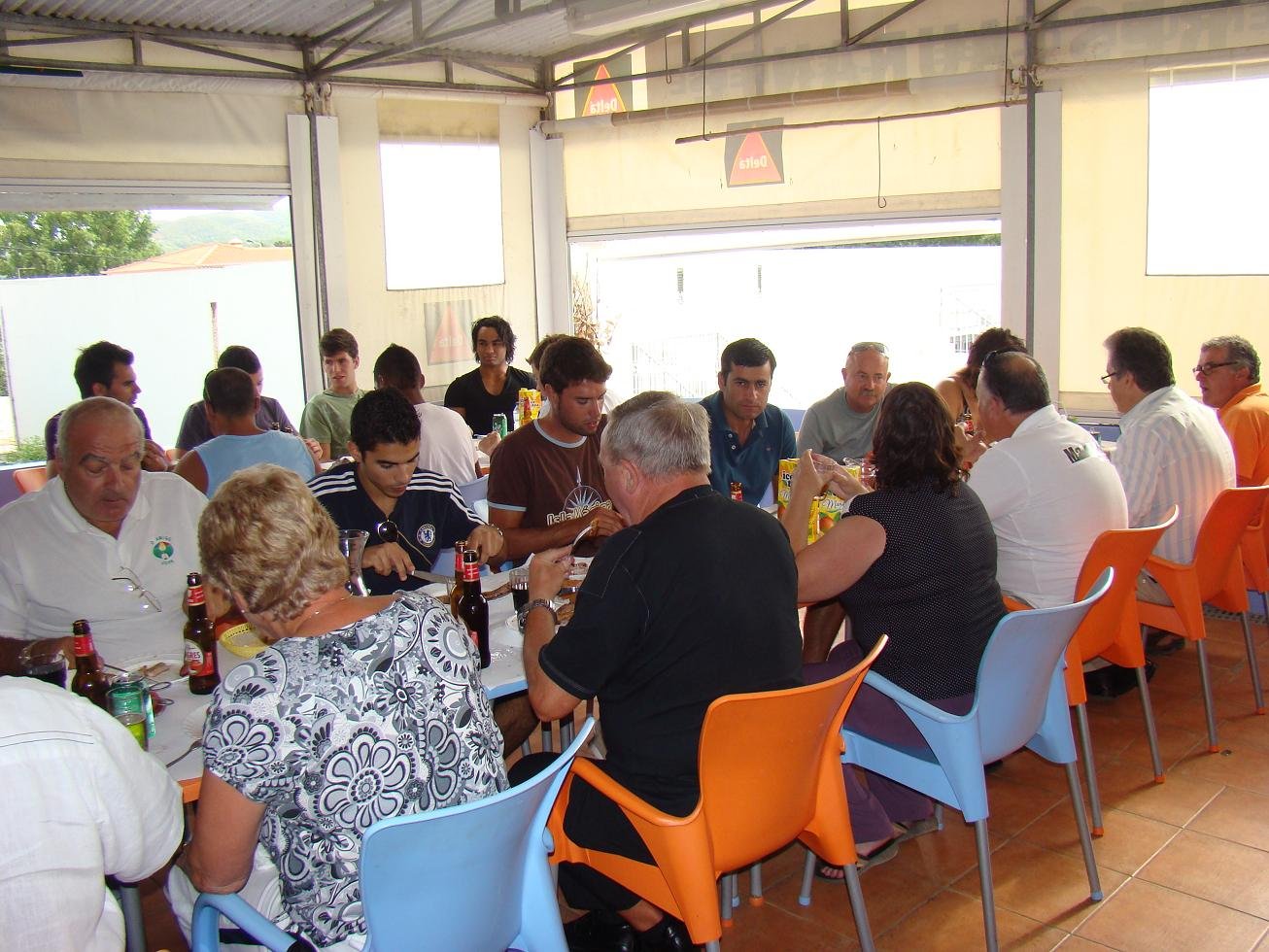
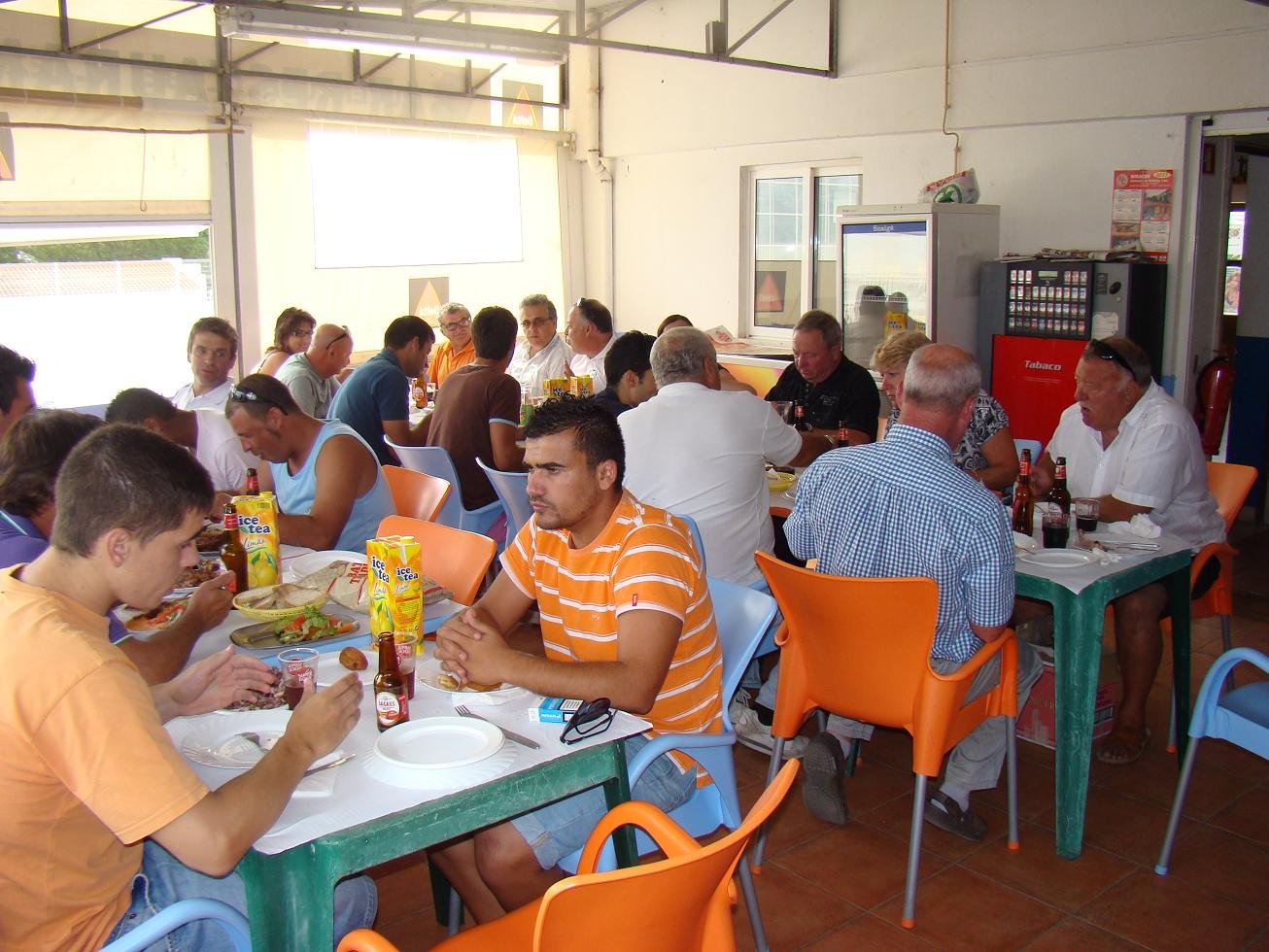
Apart from Ian, Sue and Peter, Vice-President John Bergstrom-Potter, PR Matt D’Arcy and Jack Beveridge were also invited to the dinner at the club’s Headquarters.

Ian, whose speech was translated by Coach Correia said it had been an “Almost” season for our local club, who ‘almost’ succeeded in remaining in the First Division.

But too much time bedding in new players, the difficulties adapting to a new coach before Correia’s welcome return to manage the side, and the loss of Toco through injury for the vital opening weeks of the season meant they were narrowly relegated.

But Ian added that with the arrival of young players like João Luis the team can rebuild on the experience of last season and promotion could once again be achieved with style.

He recalled that four players—Jorge, Lionel, Cocu and Toco—had all gained four or more Man of the Match votes during the season.

Christiano Jóse Catarino Toco

But the majority went to Toco and Jorge and after the final match the supporters cast their votes between these two men, with Toco narrowly emerging as the winner of the Player of the Year Trophy.

Toco was presented by Peter with the beautiful glass trophy that remains in the

possession of the club to be presented annually, and a second impressive trophy that is his to keep.

PROMS AT THE PARQUE

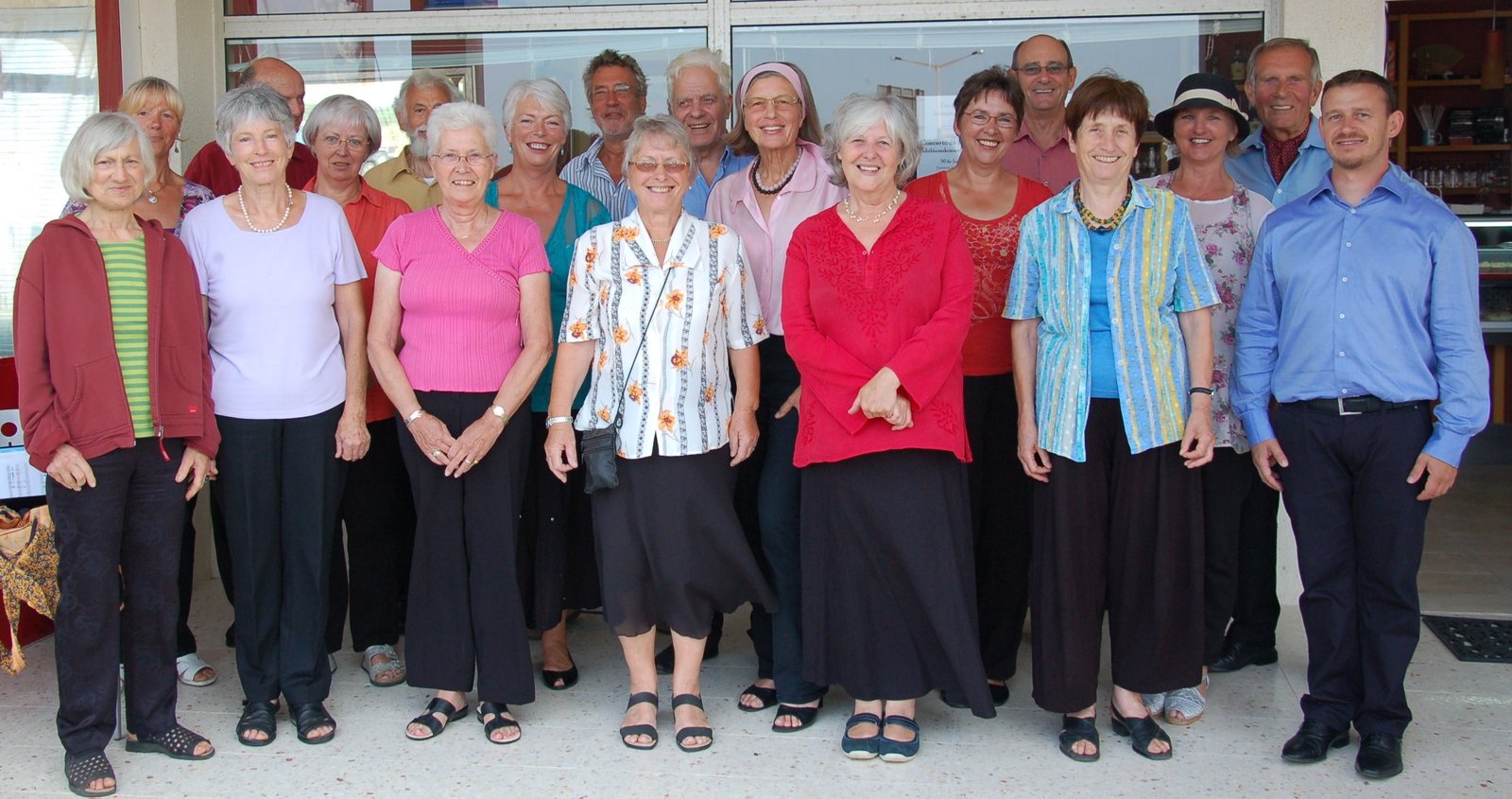
Aljezur International Choir

10th Anniversary Concert for Aljezur International Choir

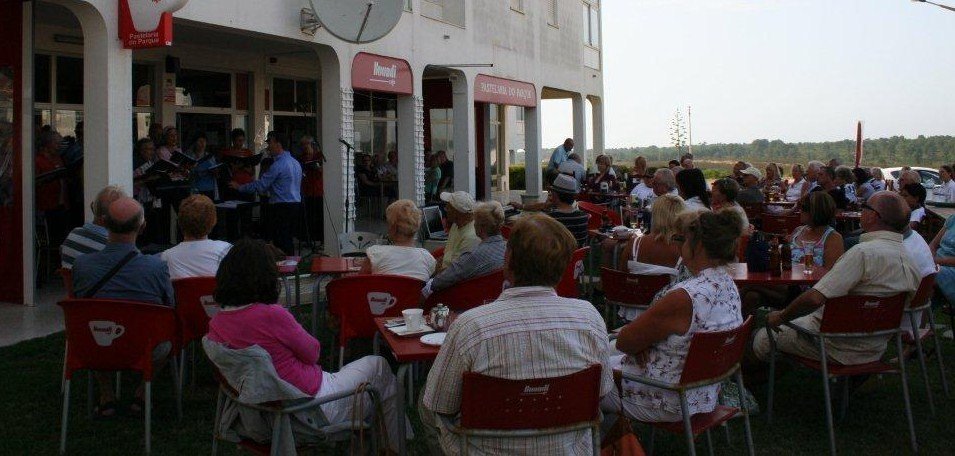
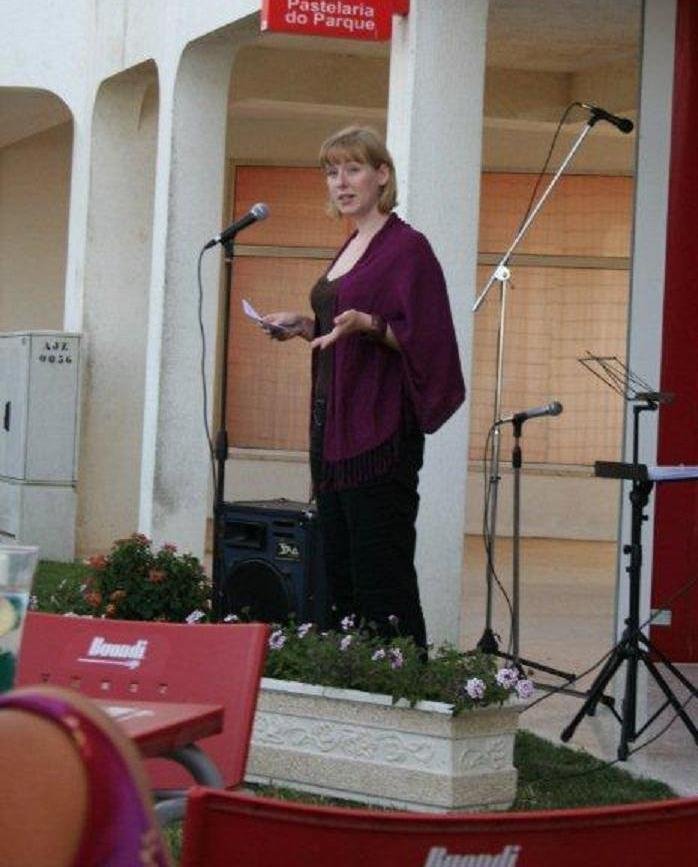
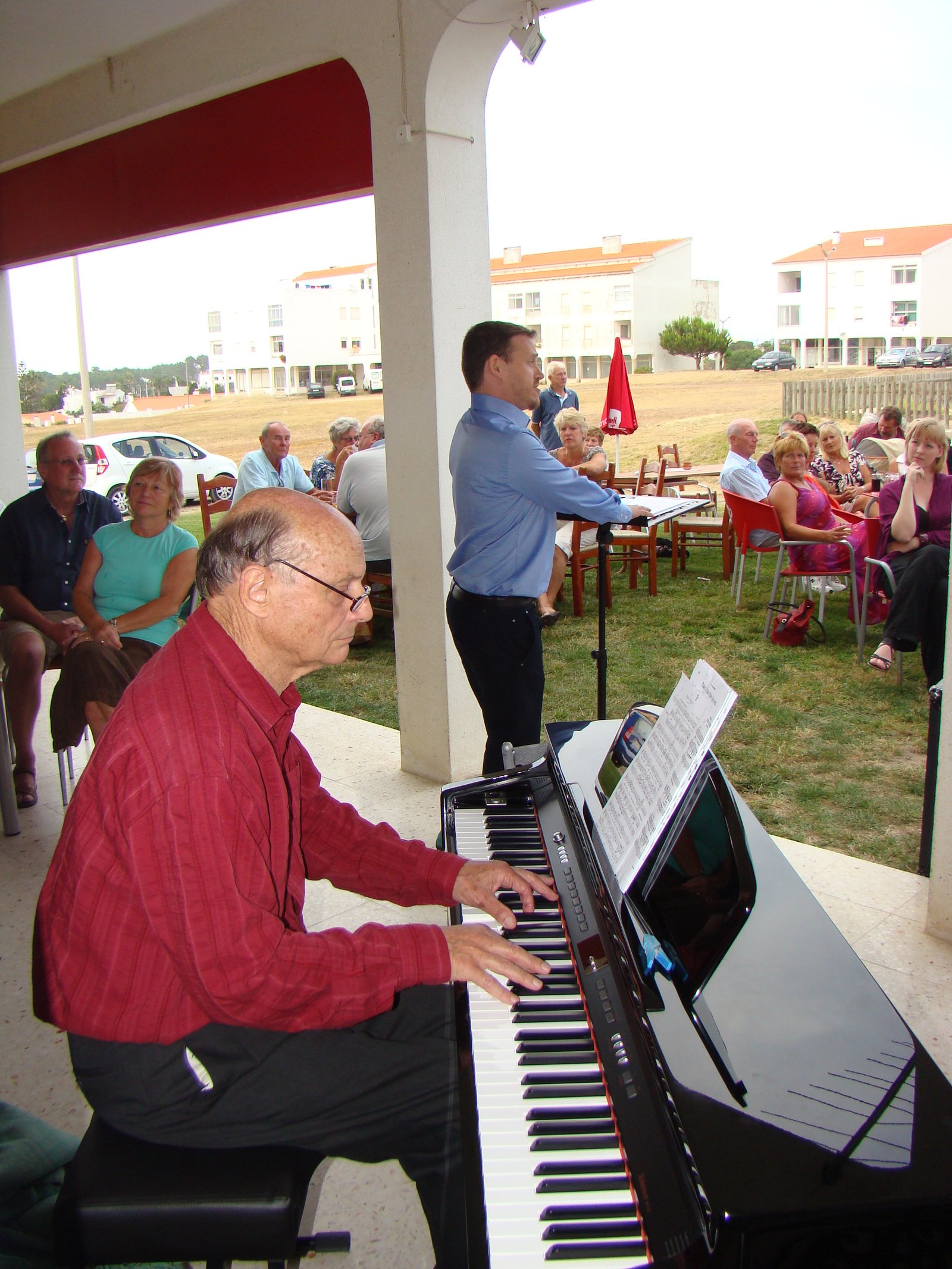
A choir that started life in the home of two people in 2001 celebrated its 10th anniversary with a free “Proms At the Parque” concert for an audience of more than 120.

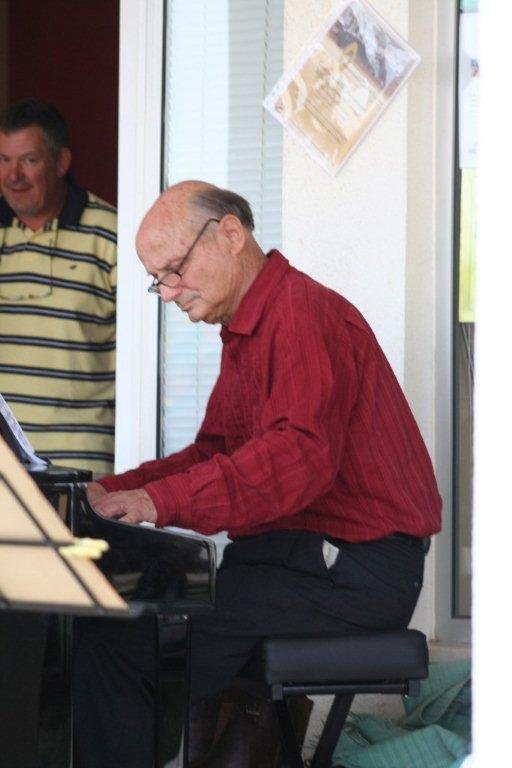
Coro International Aljezur, or the Aljezur International Choir, now has between 20 and 30 choristers plus musicians playing the violin, cello, piano, harp and trumpet.

The Choir has grown from the moment 10 years ago when Doris Wroblewski & Uwe Zelinsk posted handwritten notes asking for anyone who enjoyed singing to come to their home in Vale da Telha.

From those humble beginnings one of the Algarve’s leading choirs has grown to prominence across the region.

But they decided they wanted to go back to their roots to celebrate their 10th anniversary.

Organiser and Treasurer Trevor Herrington, who also sings bass and plays the trumpet, felt the Pastelaria in the Parque in Vale da Telha, a community just outside Aljezur with a large expat population, would be the perfect location, having held successful concerts there before.

And it is located not much more than a kilometre from Doris and Uwe’s home.

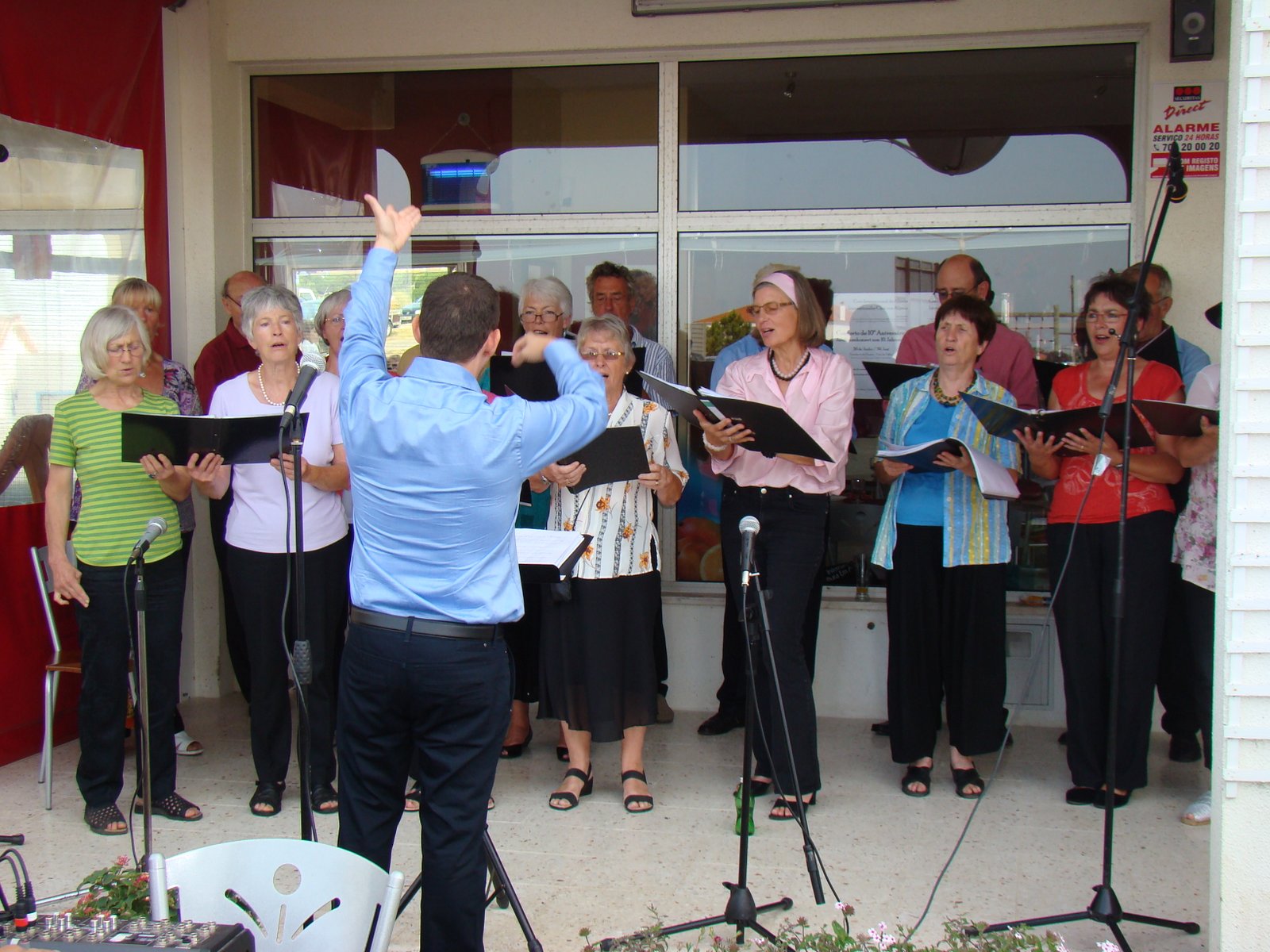
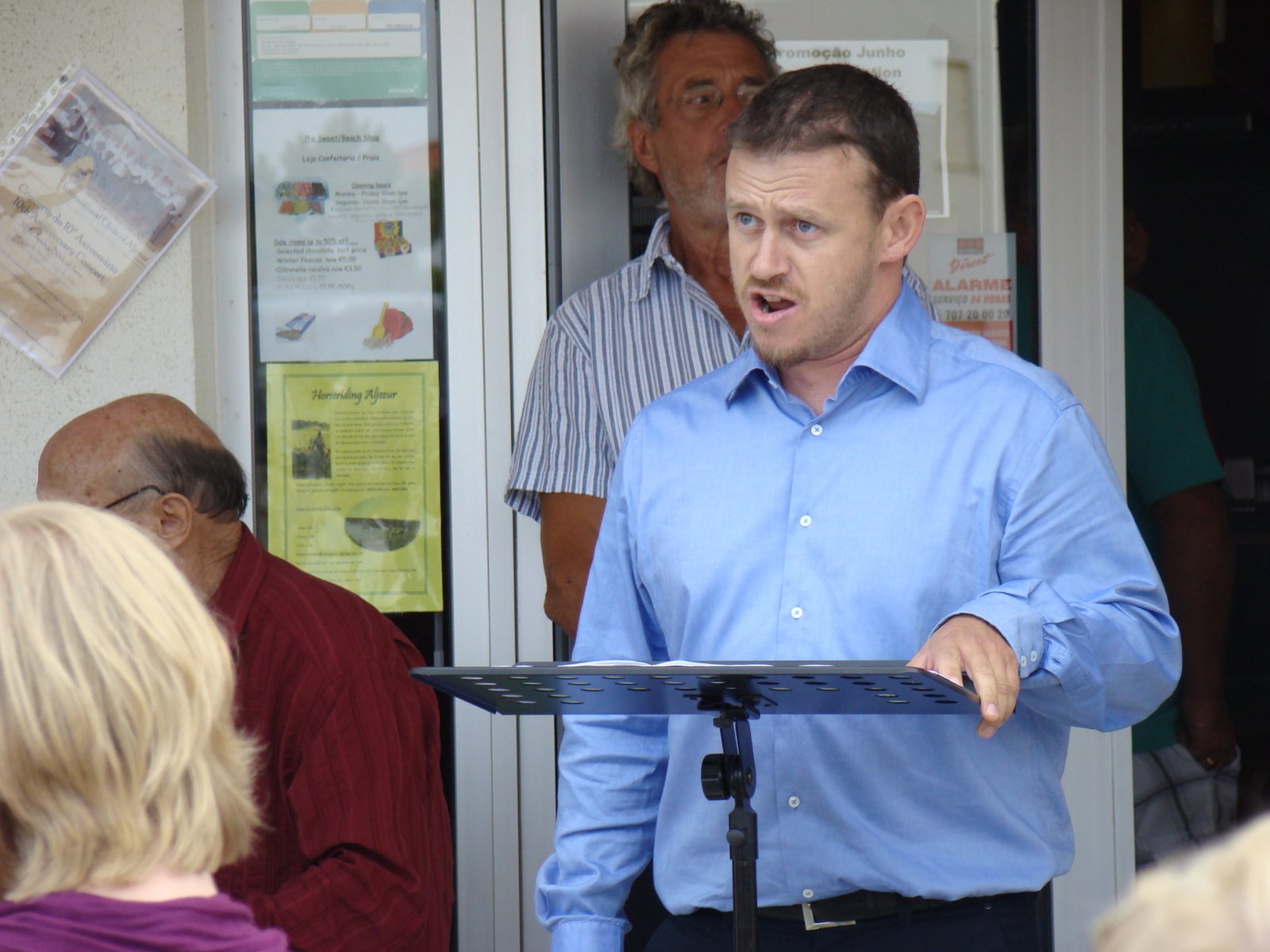
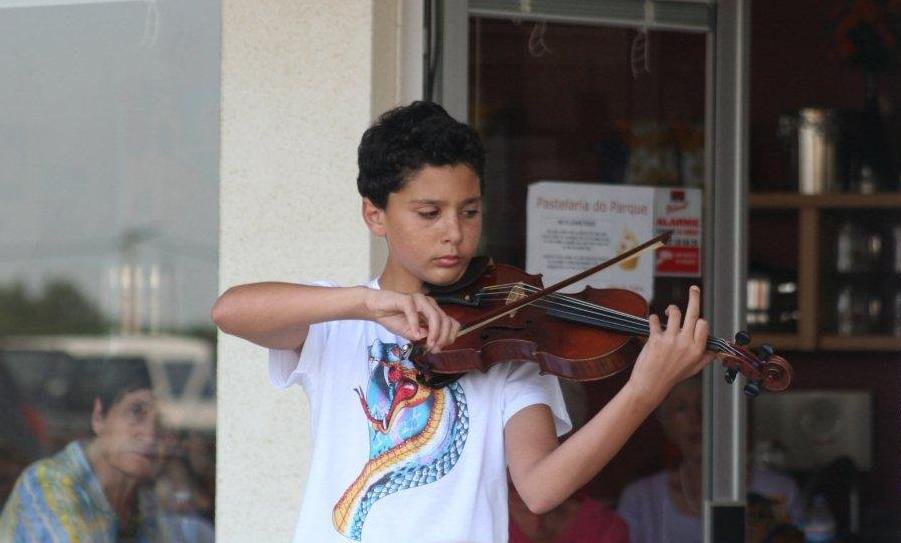
The early evening concert on June 30 featured not just a selection of songs by the choir in Portuguese, Italian, English, Irish, Yiddish and African, but a wonderful solo by the amazing 13 year-old violin prodigy Zé Nuno.

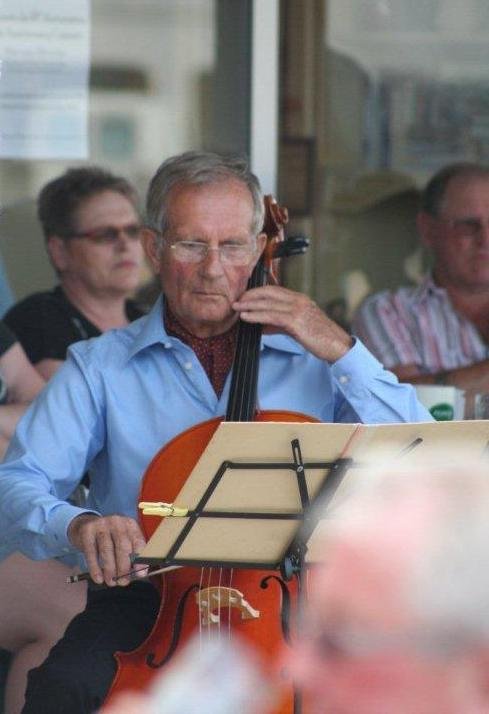
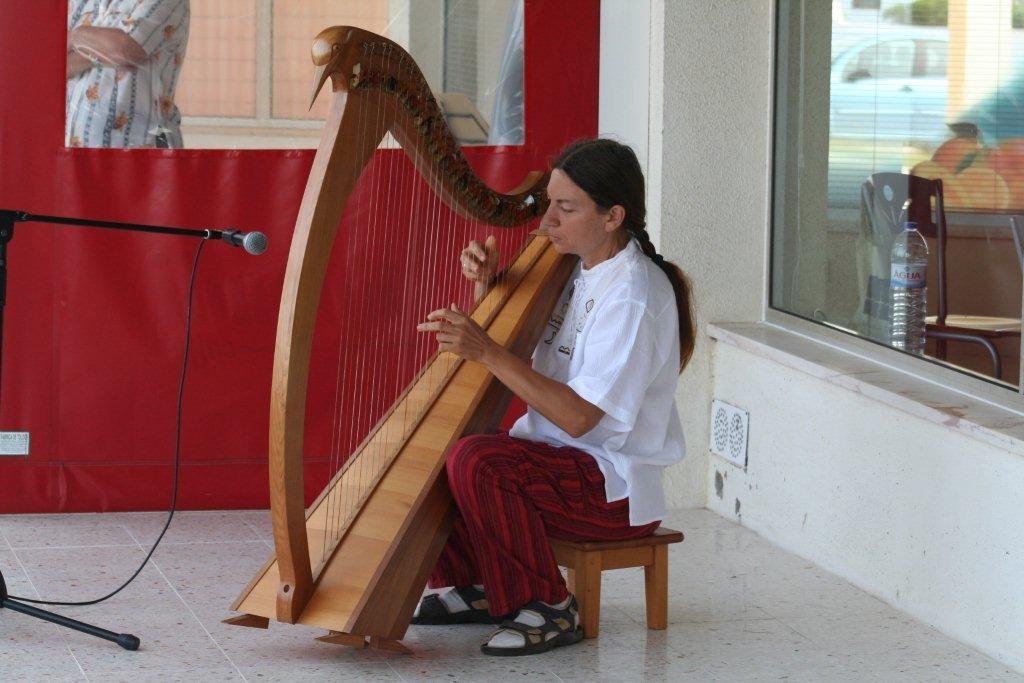
Other soloists included co-founder Uwe Zelinsky on cello and harpist Annette Gerken.

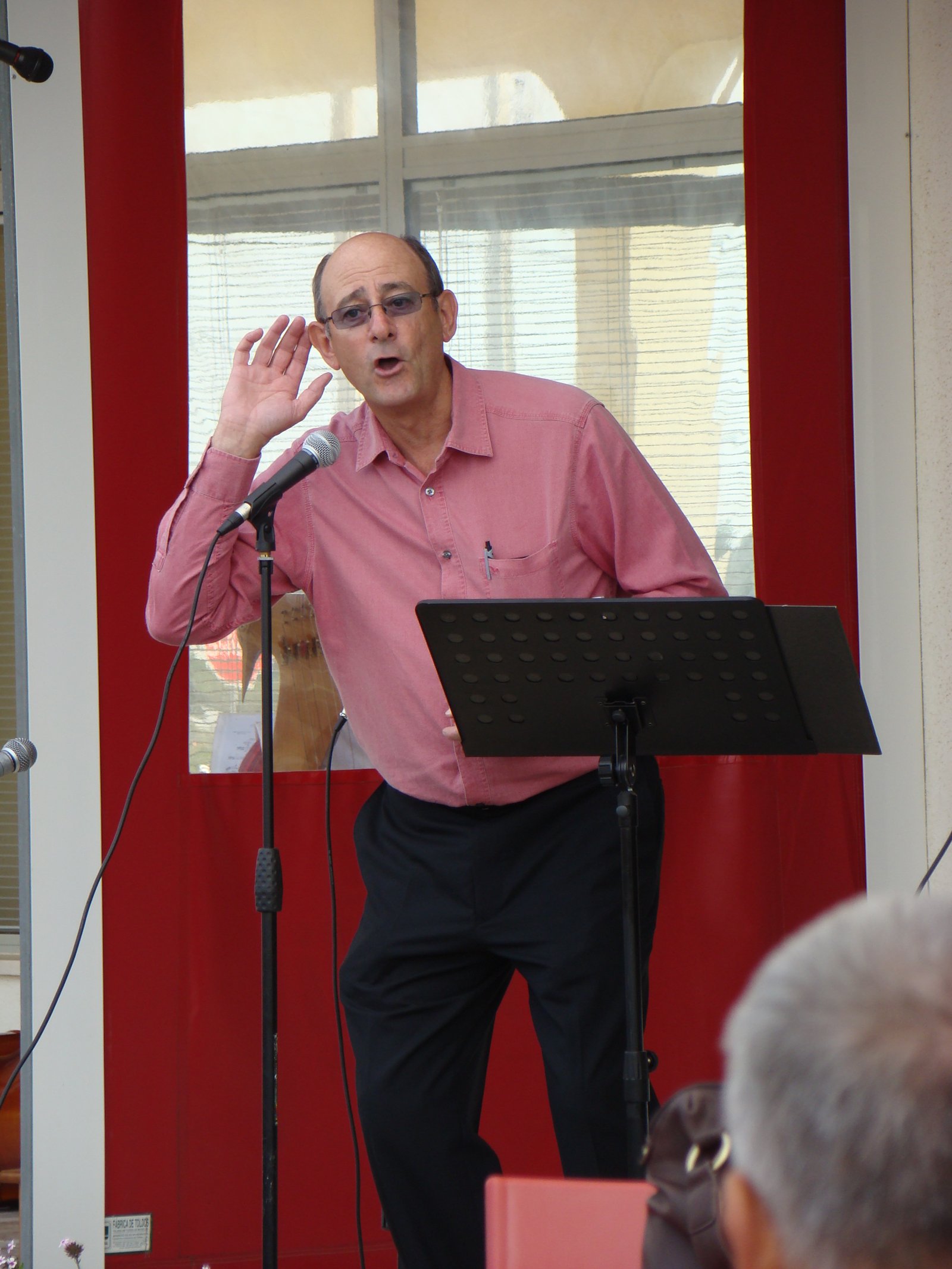
The choir’s young conductor Francisco Brazão, who has been with the Coro International Aljezur for less than a year—during which time it has come on in leaps and bounds under his stewardship—also sang a few solos in his wonderful baritone voice.

One member of the audience remarked to Brazão afterwards: “That was the best I’ve ever heard the Choir sing, they were so together.”

During the concert Pastelaria customers donated €50 to the choir, which will be passed on to the Bombeiros Volunteros of Aljezur.

The concert, hosted by Nik and Kim of the Pastelaria, was sponsored by the Associação do Património Histórico e Arqueológico de Aljezur—the Association for the Defence of Historical and Archaeological Heritage of Aljezur—who hoped it would serve as a way of recruiting more volunteers to their membership of over 260 including individual and collective associates.

The crowd enjoying the Choir

It was also supported by Amovate through publicity and the loan of tables and chairs to the Pastelaria.

Swantje Suemer, ADPHA’s President/Chaiman, addressed the audience in Portuguese, English and German, saying:

“We hope our presence here makes more people aware of ADPHA and its importance in studying and preserving the cultural heritage in and around Aljezur.

“ADPHA is a non-profit association, founded on February 12th, 1996, with a membership now of over 260 including individual and collective associates.

“We are a recognized Public Utility Institution since 2003 and our objectives are the recovery of cultural identity and contribution to the development of Aljezur; Studying, promoting, raising awareness and defending its historical and cultural heritage through research, formation, treatment, restoration, etc.

“We collaborate with the local authorities and schools in cultural initiatives and maintain a specialized Library, a Documentation Centre and we are working on the Historical Archive.

“Also, we manage three of the four museums in the historic centre of the village, which integrate the Historic-cultural circuit, so we do guided tours through the museums and archaeological sites.

“These of course include archaeological excavations, in particular in Ribāt da Arrifana, the Islamic Silos by Barrada – Aljezur, the Medieval Cemetery in Aljezur, the Islamic Fishermen village by Carrapateira and the Islamic Tower in Odeceixe.

“If any of you would like to become involved with our work please drop into our office in Aljezur. Volunteers are always welcome.”

ADPHA can be contacted through:

Casa Museu José Cercas, which contains paintings and drawings of José Cercas, a painter born in Aljezur, and also features the works of other Portuguese artists. It also contains furniture, religious pieces and ceramics.

Rua do Castelo

8670 – 075 Aljezur

Tel: 282 991 011

e-mail:

adpha@sapo.pt

**The choir are holding another Concert promoted by ADPHA at the Igreja Nova, Aljezur during October, on a date yet to be confirmed.

See a selection of photos taken during the concert: