







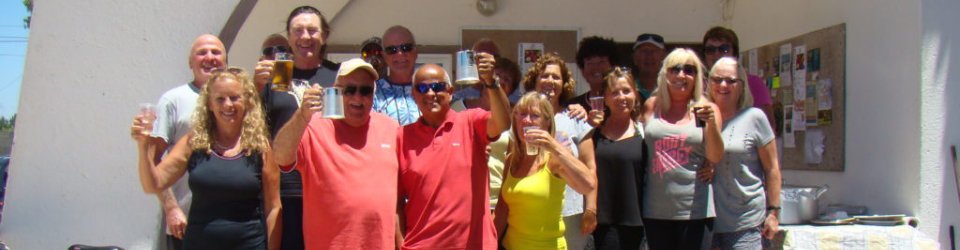

THE FIRST INSTRUCTION CLASS to train volunteers in the Basic CPR life-saving techniques took place at The Old School House on Tuesday February 11.
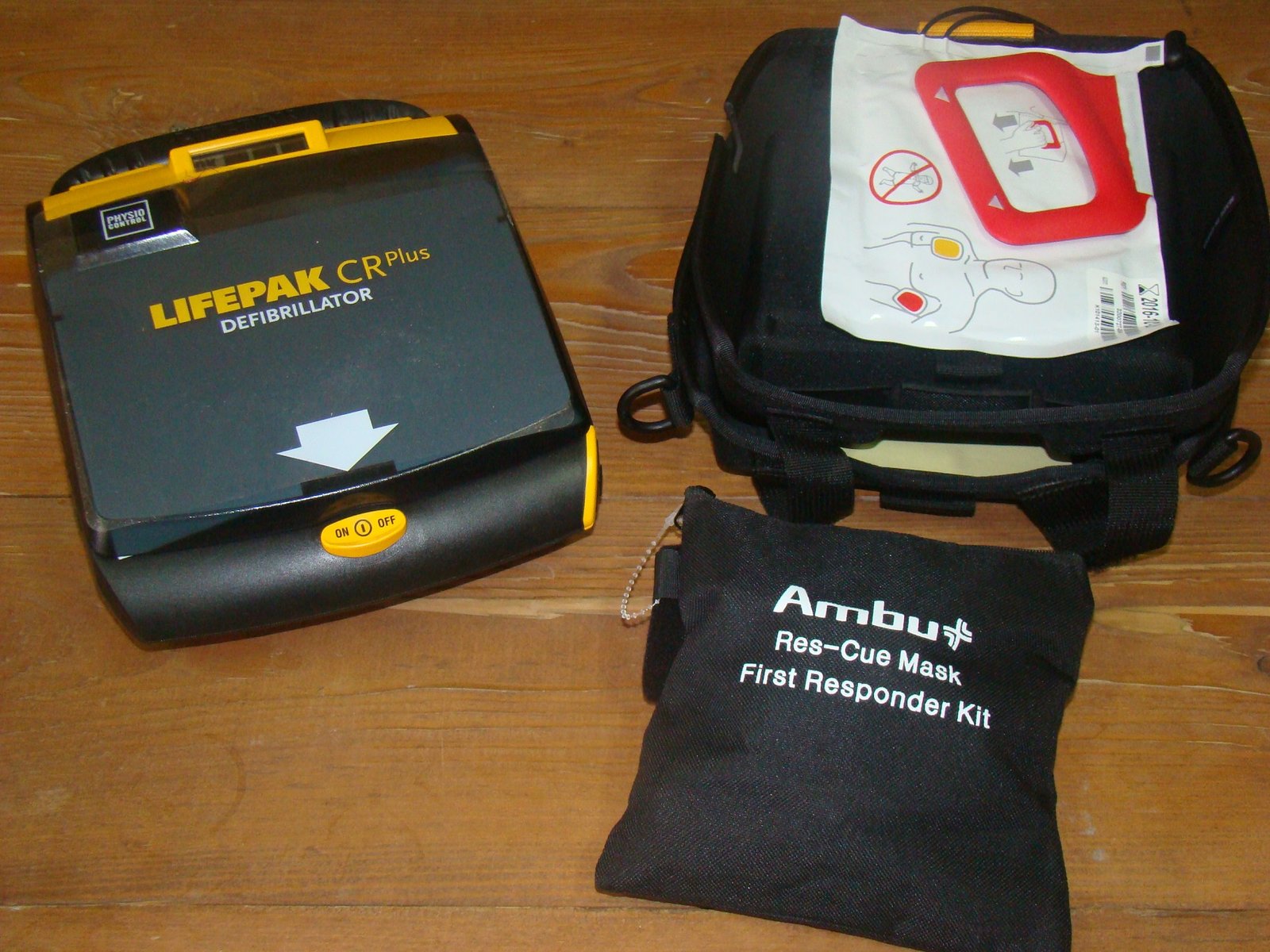
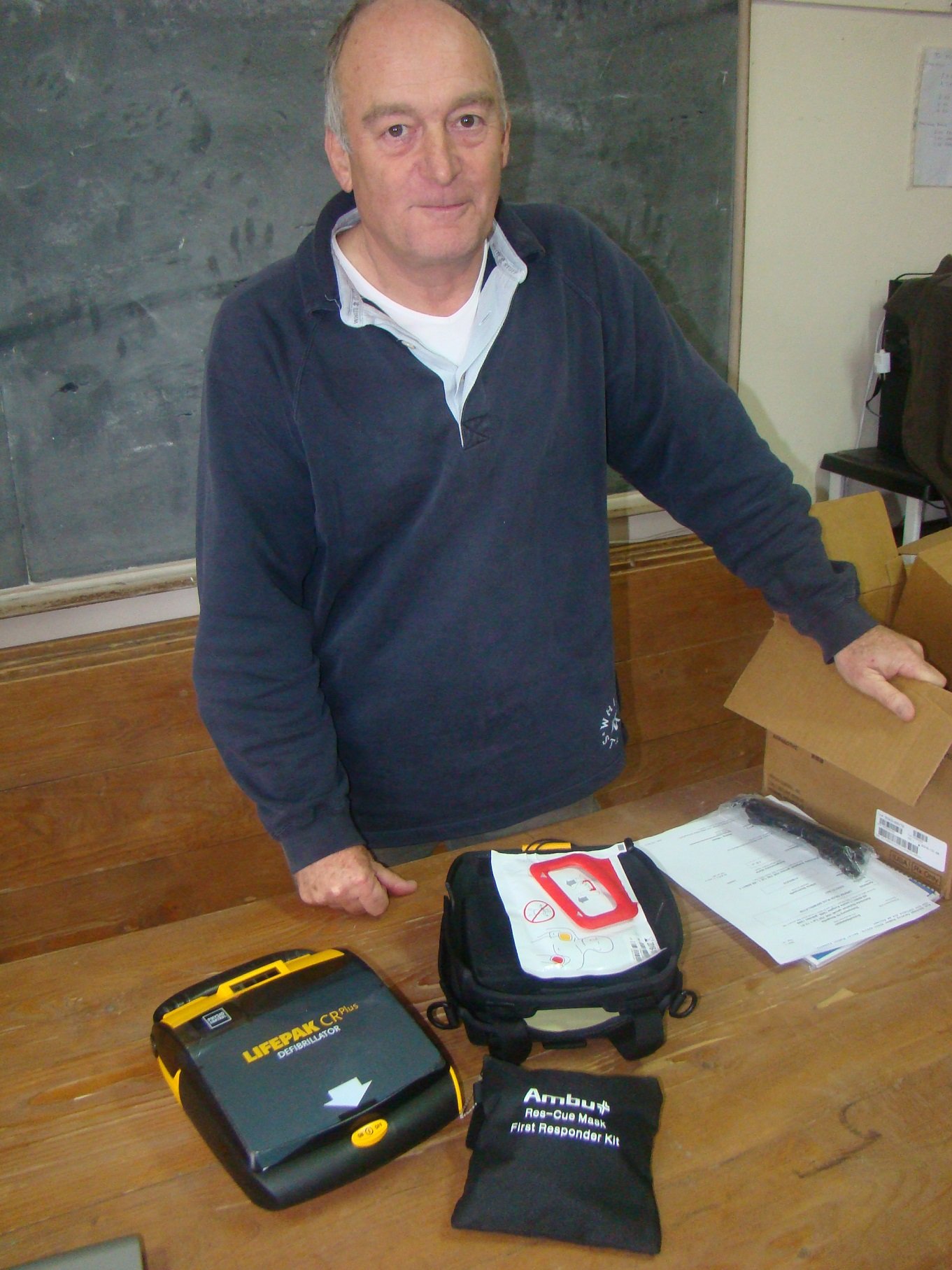
The whole exercise has been triggered by the Amovate-led community €4,500 purchase of two defibrillators—one to be kept permanently here on Vale da Telha, the other to be used by the Bombeiros right across the Aljezur area—and a special defibrillator trainer.
Sixteen people took the first three-hour course overseen by the Bombeiros and Vale da Telha’s own retired surgeon Dr David Quinton, assisted by former police officer Steve Baker.
Vale da Telha resident Sue Kenyon, a UK-certified trainer and instructor in Hands-Only CPR and also use of AED (automatic devices) also worked with the team from the Bombeiros to train up the class to the required level.
As you will know by now the Bombeiros are keen to establish a corps of volunteers of all different nationalities on VdT and the surrounding areas to be trained by them, initially in Basic CPR (cardiopulmonary resuscitation), which you may recognise from the Vinnie Jones “Stayin’ Alive” commercials.
Those volunteers who become certified in CPR through this training are then being asked if they wish to be further trained to become part of a group of individuals thus qualified to use the defibrillator kept on Vale da Telha.
More than 70 people turned up at Amovate for the inaugural meeting hosted by the Bombeiros at the Old School House in Vales on Thursday January 9th when their experts outlined their plans and explained what the classes involved.
More than 50 people immediately signed up for the CPR training course, with more registering their interest in the following weeks. If you have not yet applied but wish to take part, please contact us at info@amovate.com or e-mail Sue Kenyon direct at diversue@gmail.com at which point we will add you to the list, letting you know in due course when your training session is to be held.
It was decided that the training sessions will each be restricted to a maximum of 16 people, in four groups of four, to make each session more manageable.
Sue will be booking the training sessions and contact will be made directly by e-mail or telephone to let all the volunteers know which group they are in and when their training sessions will be held.
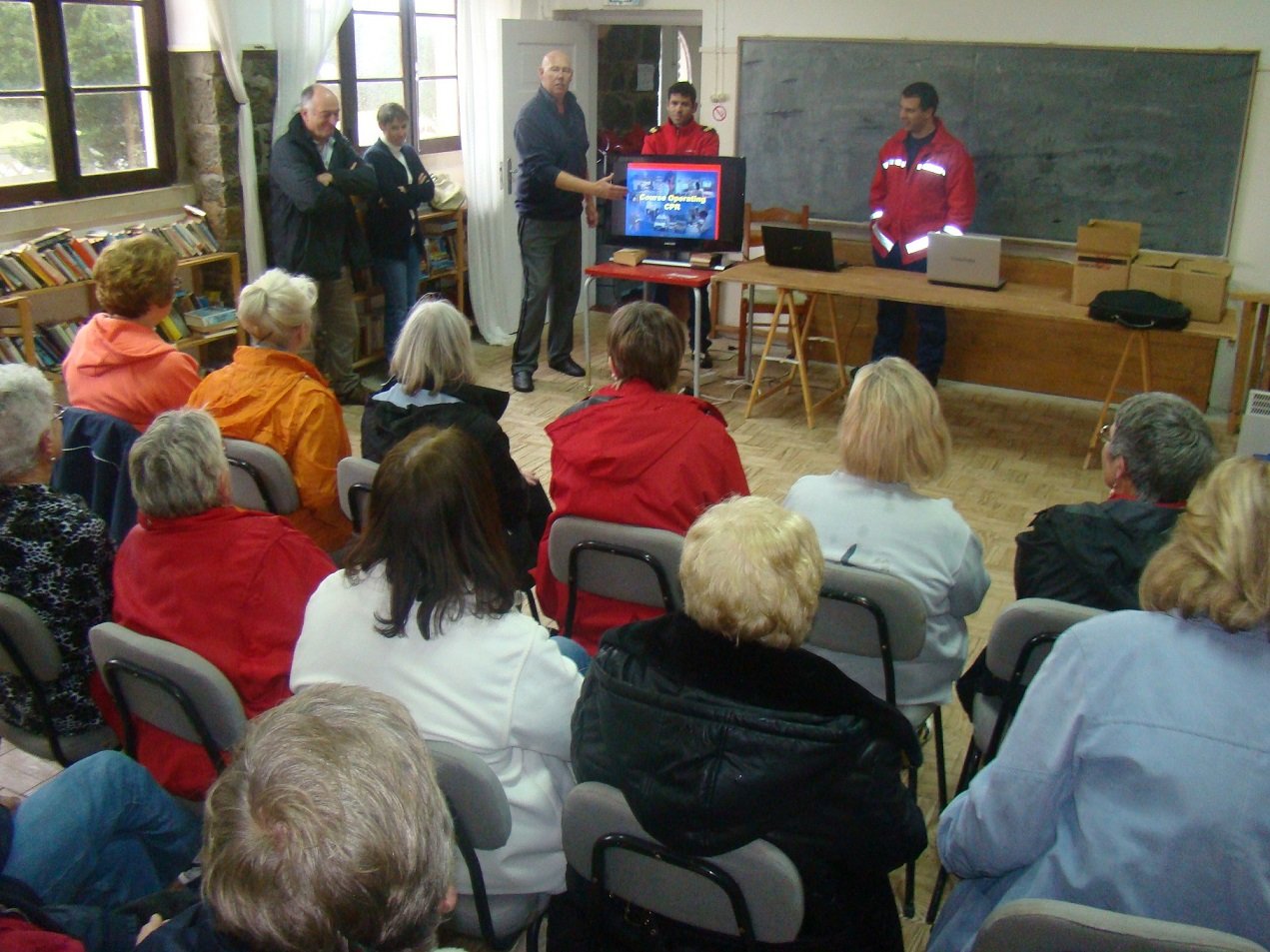
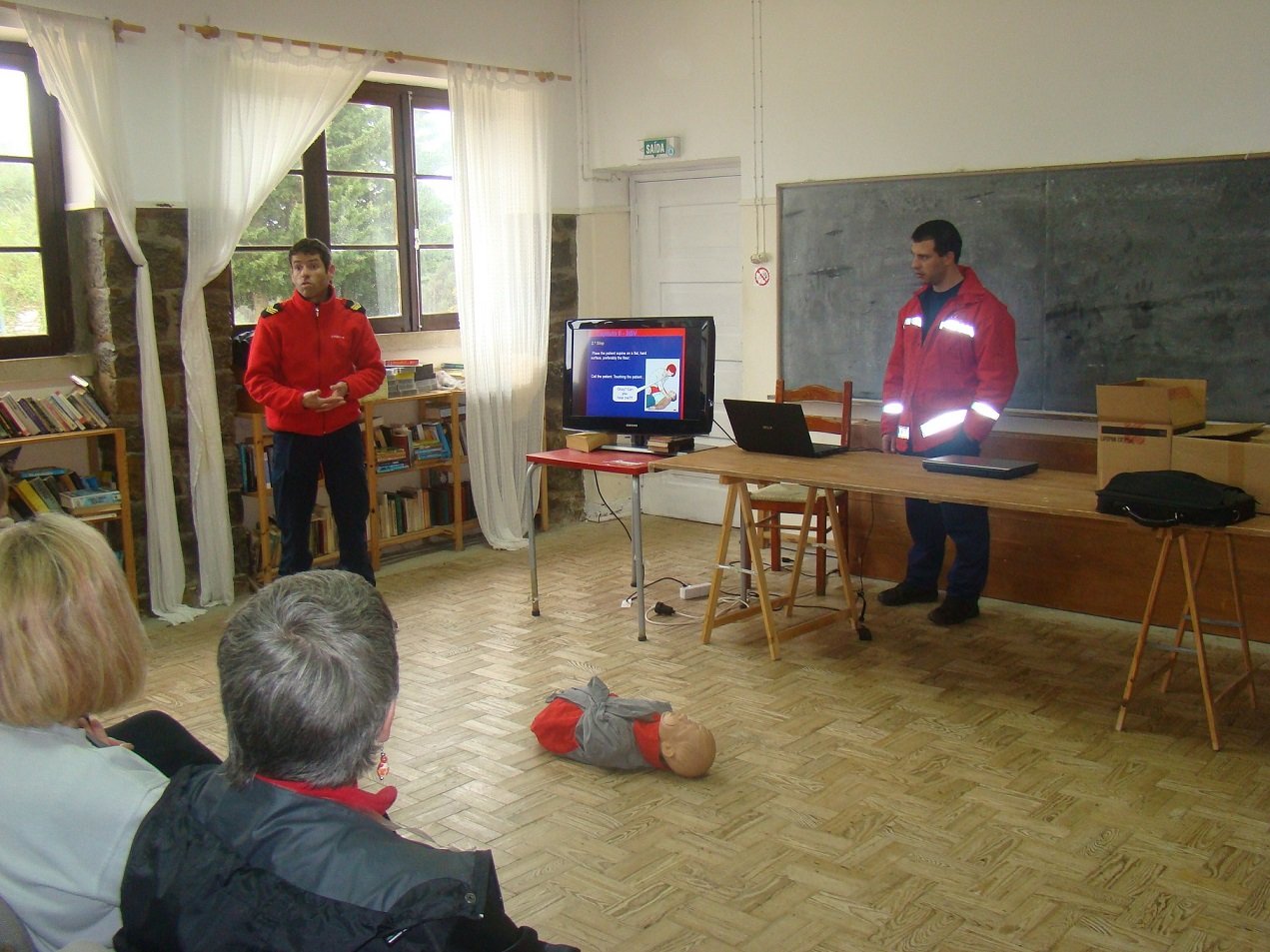
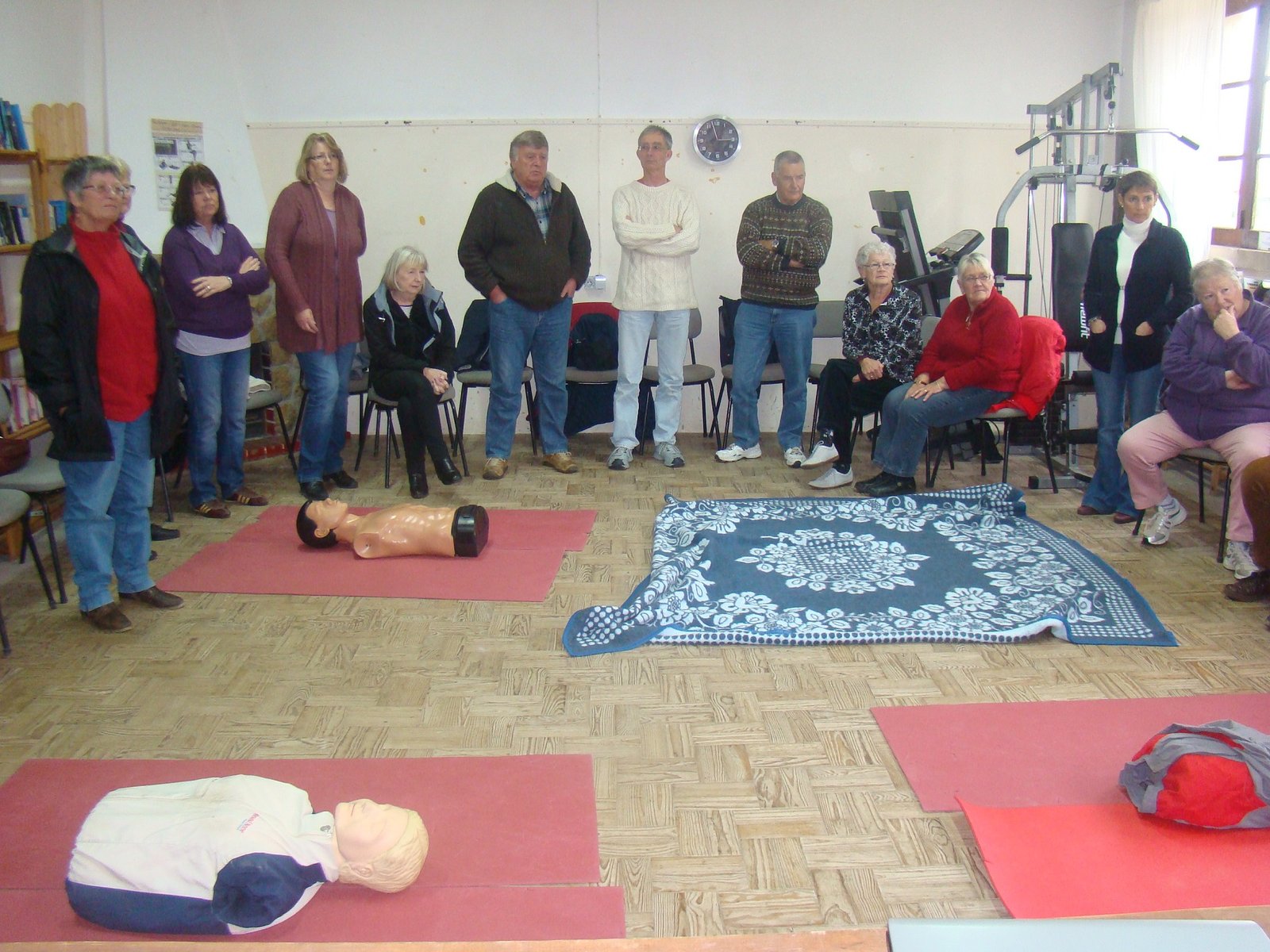
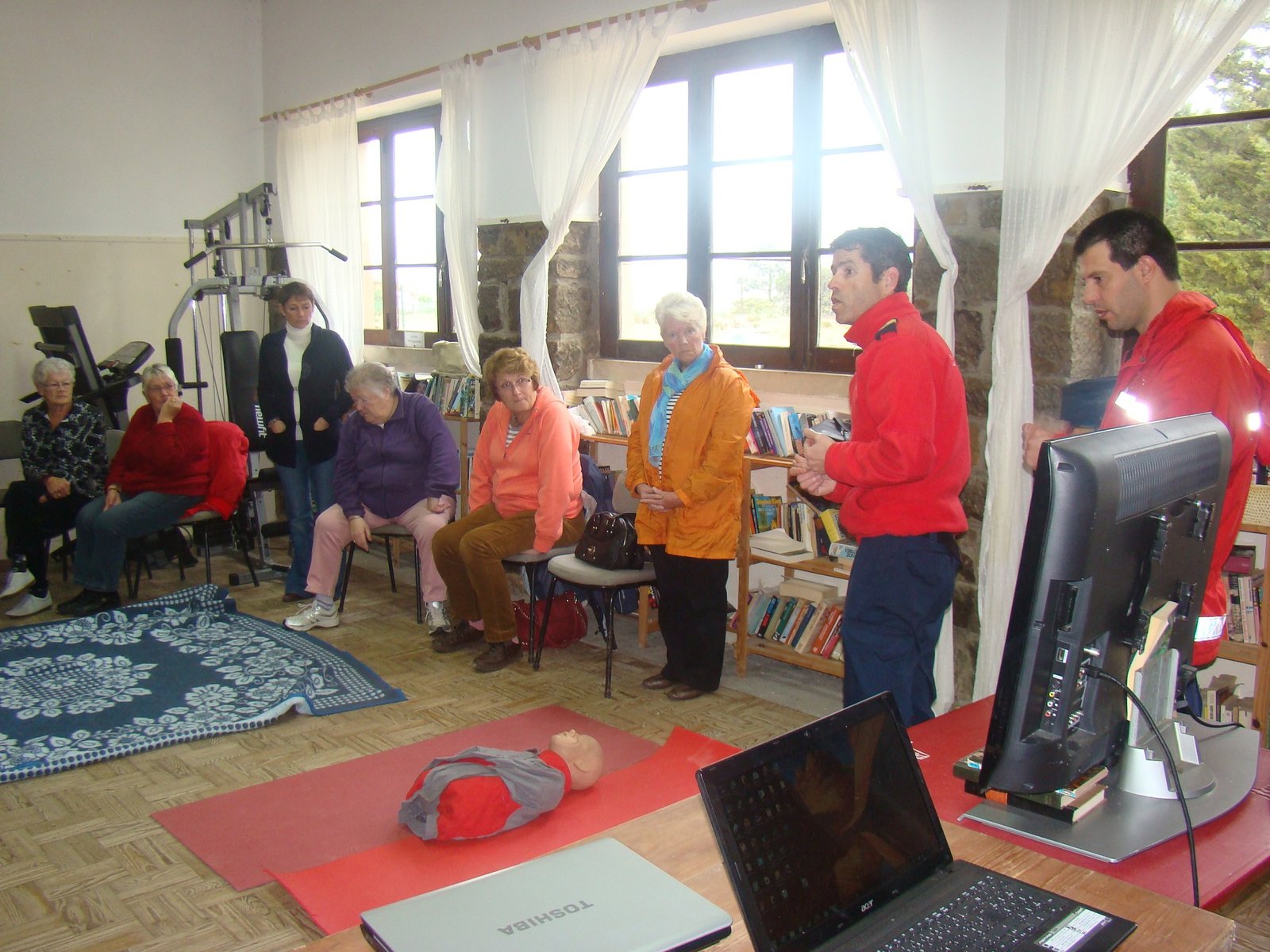
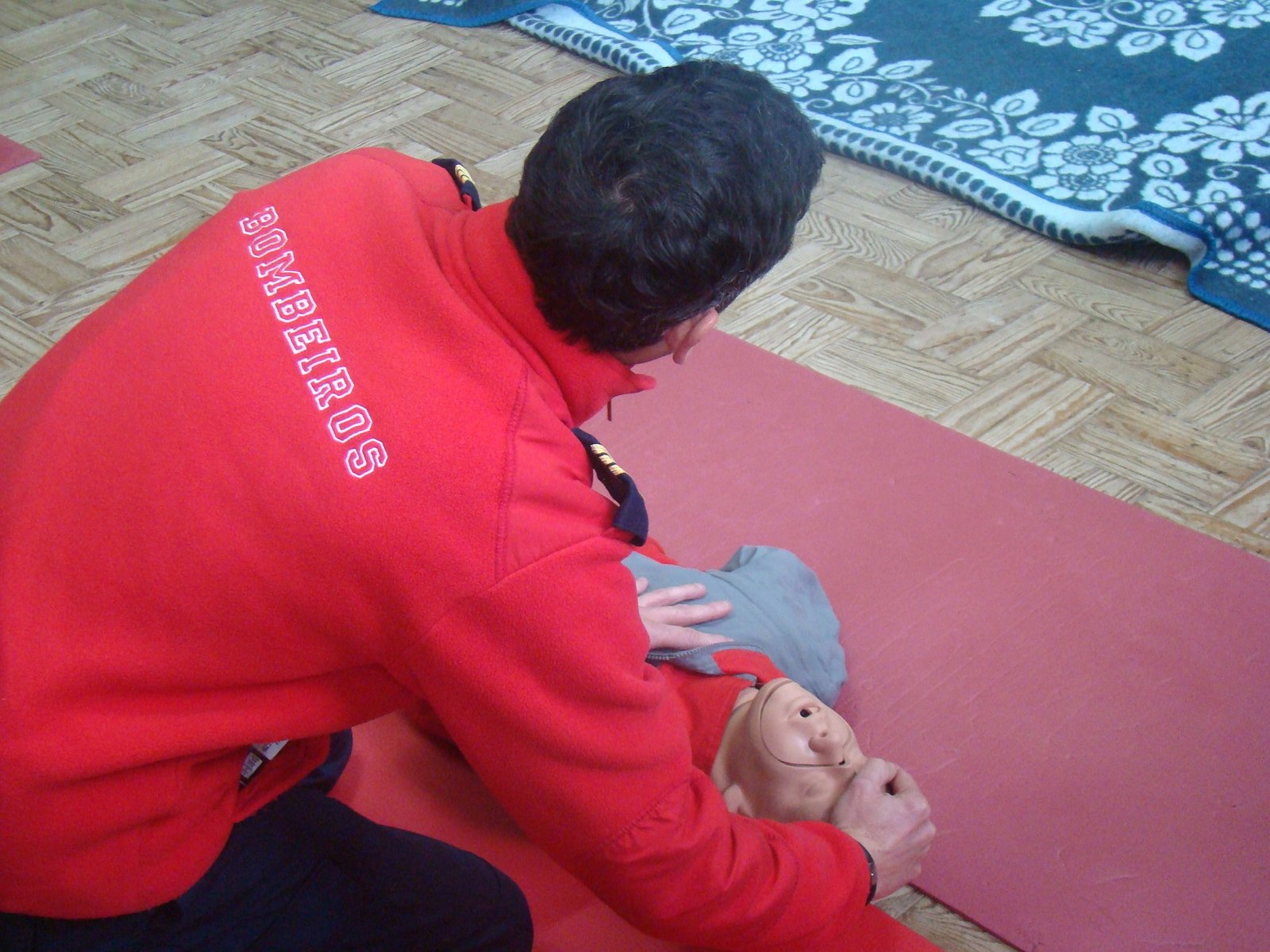
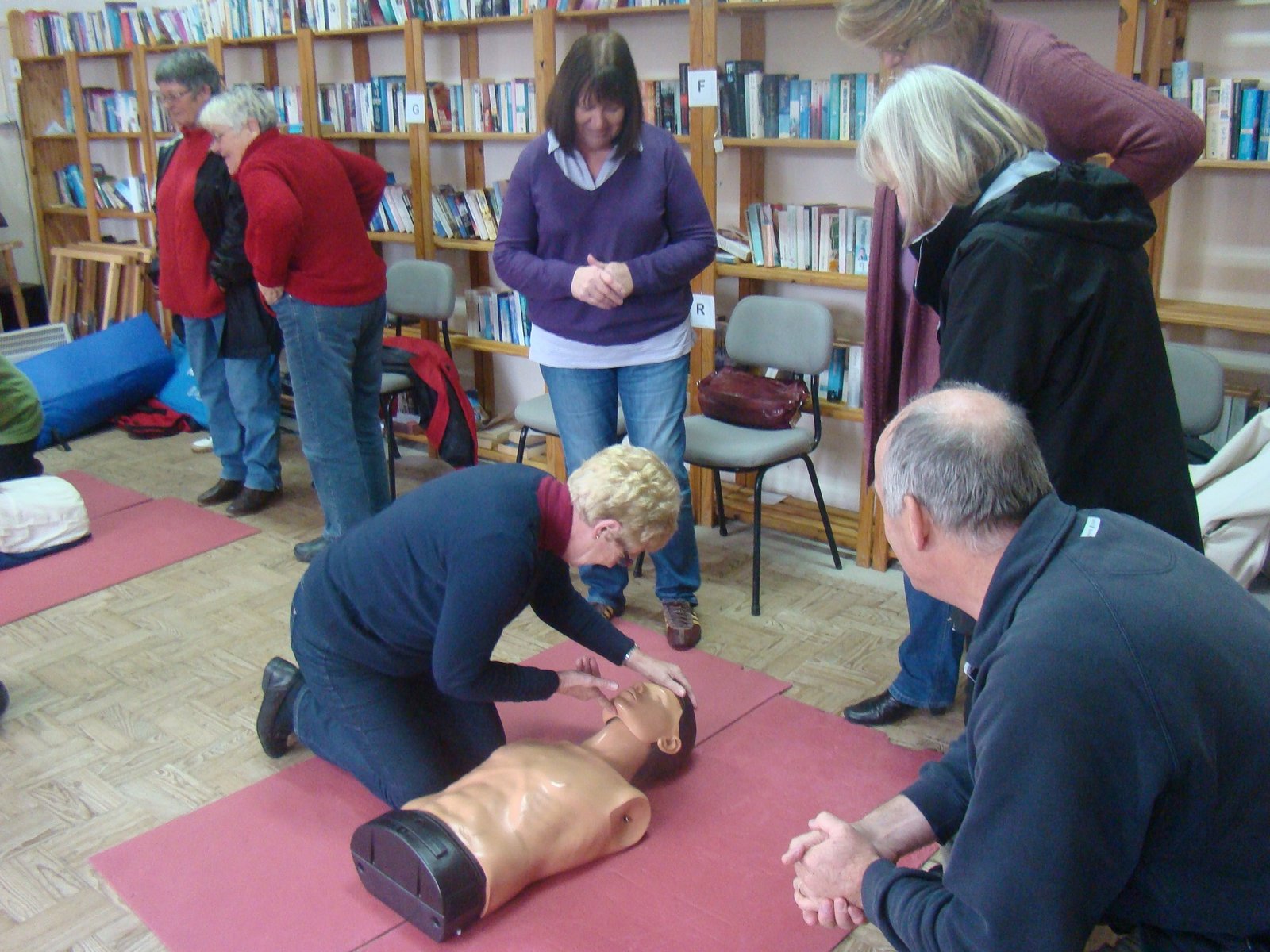
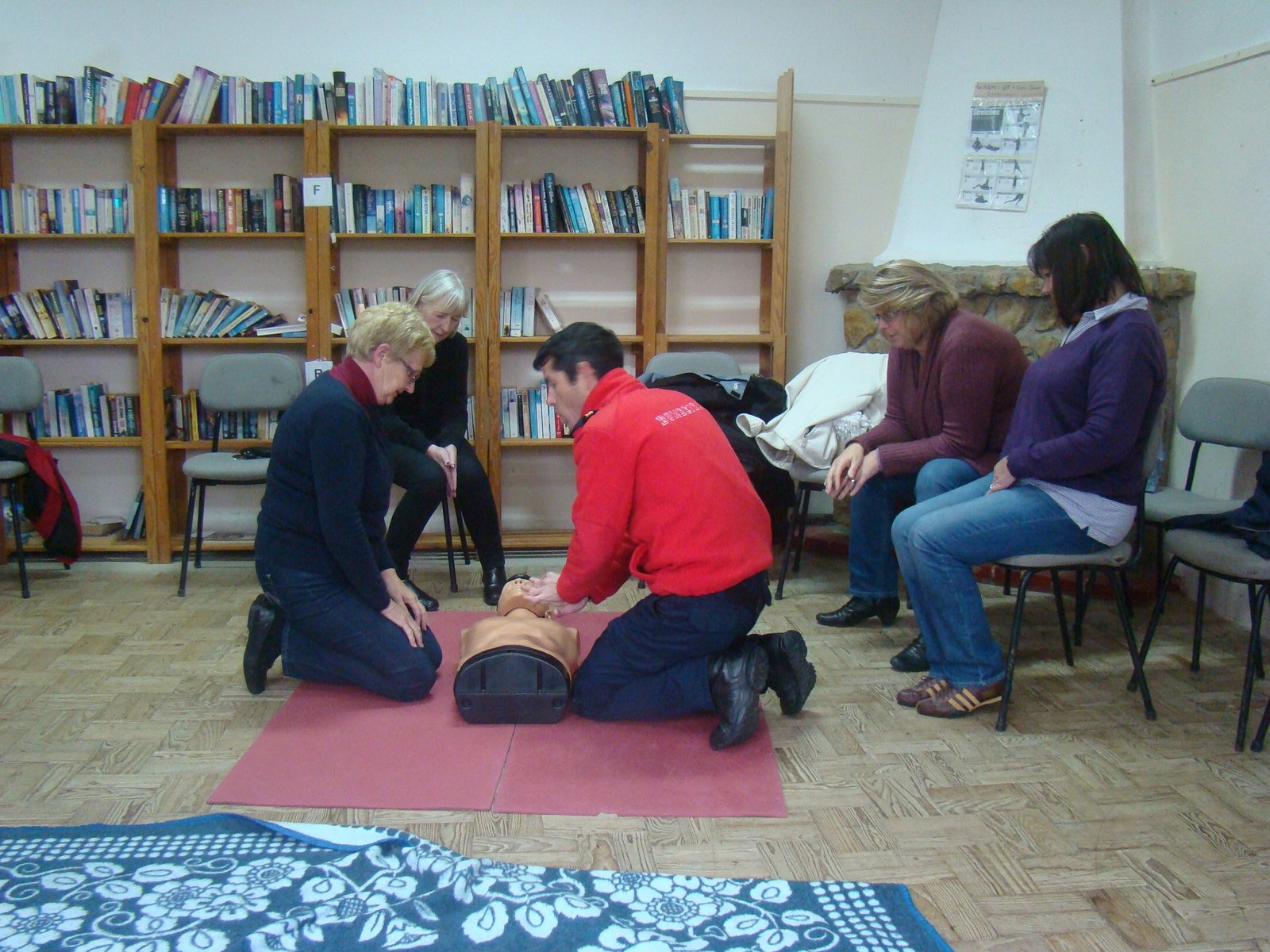
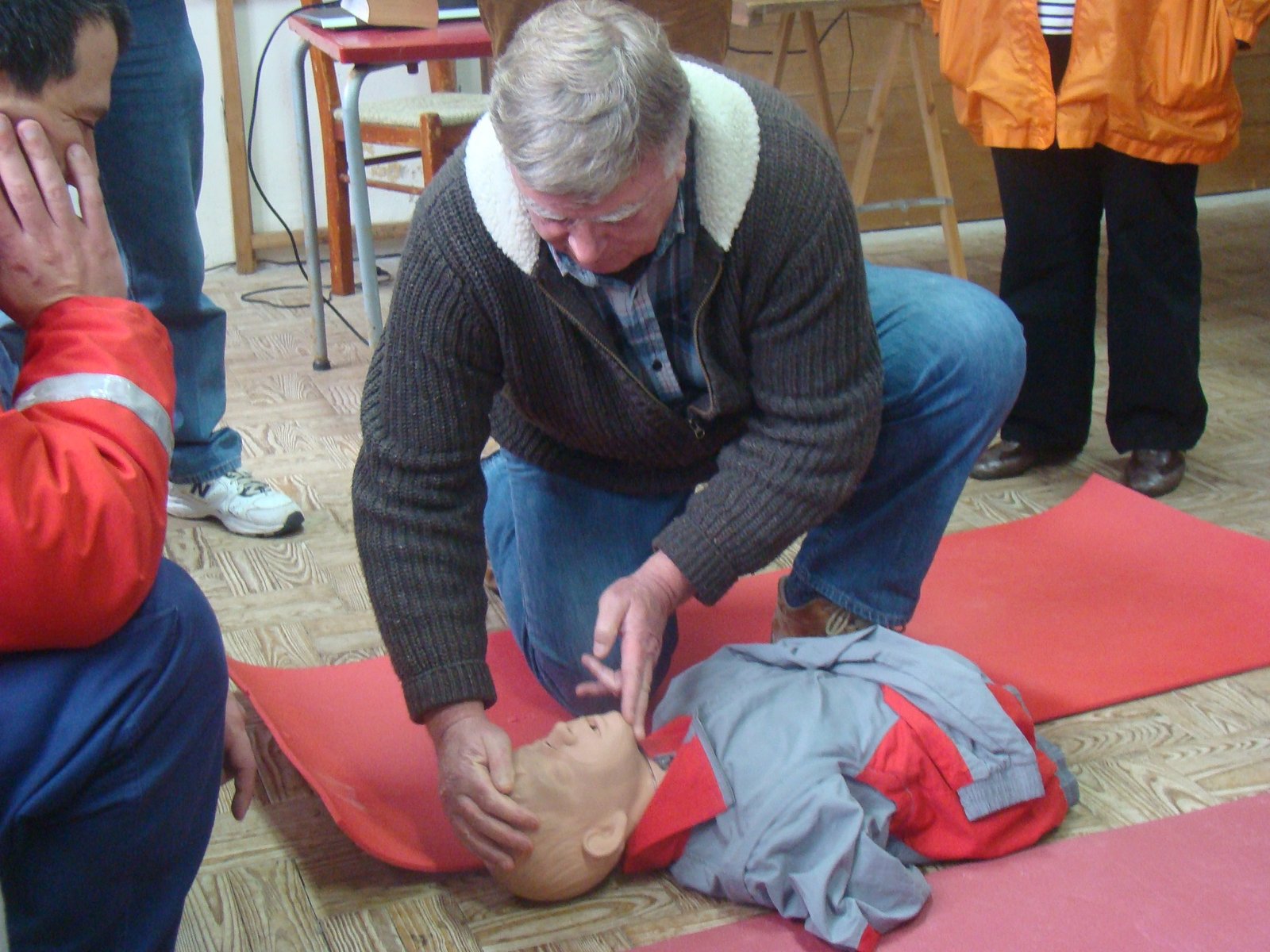
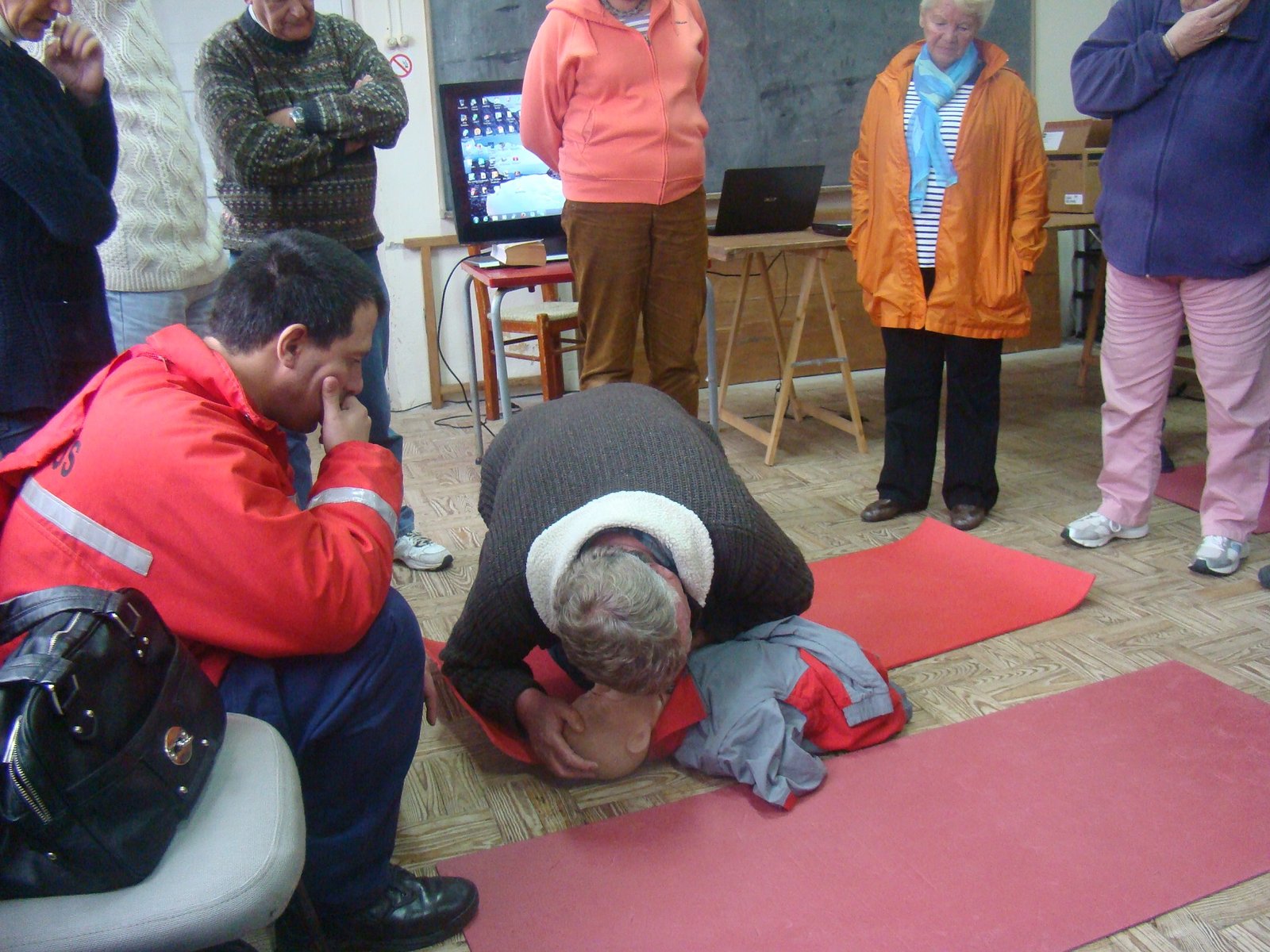
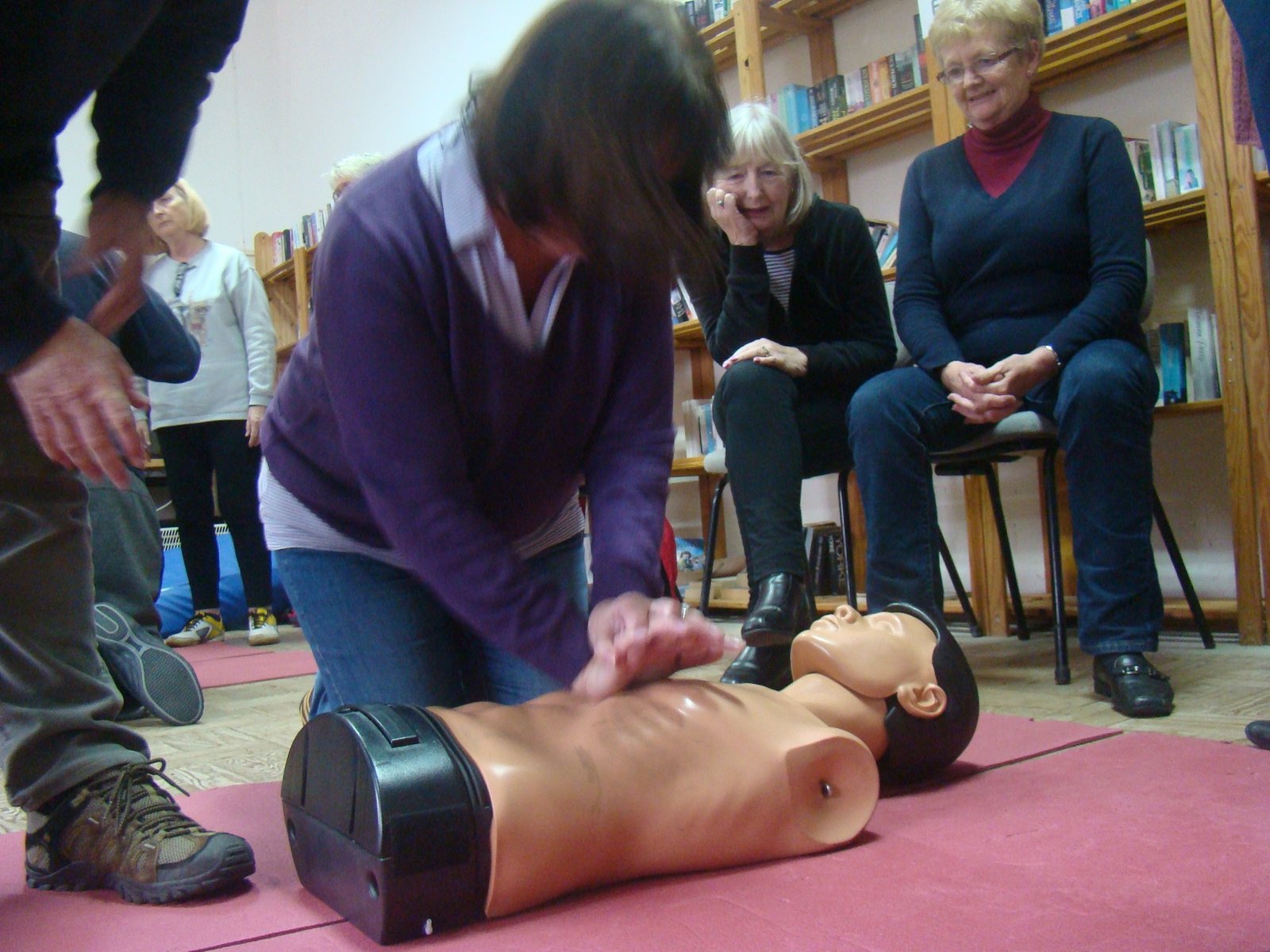
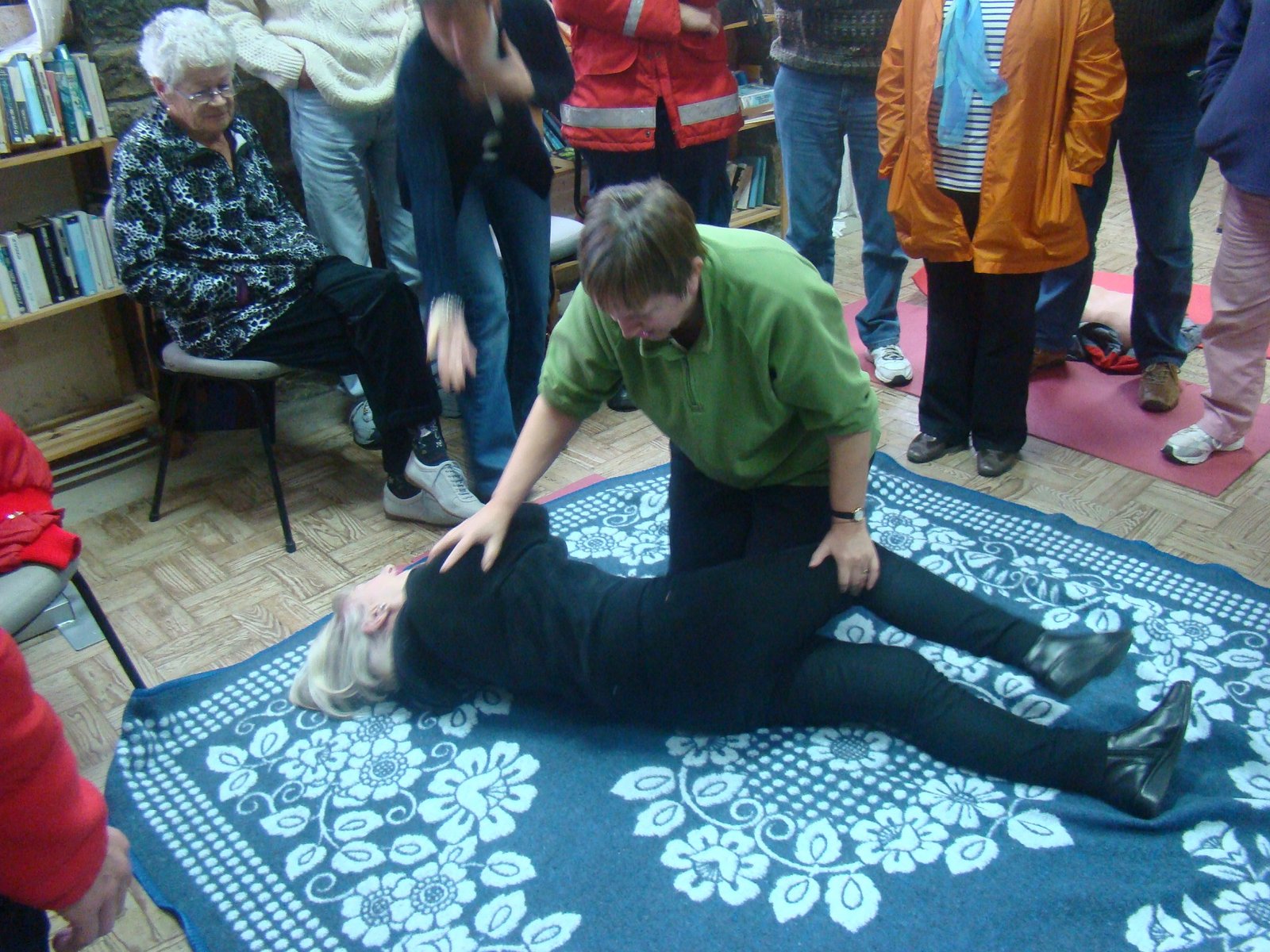
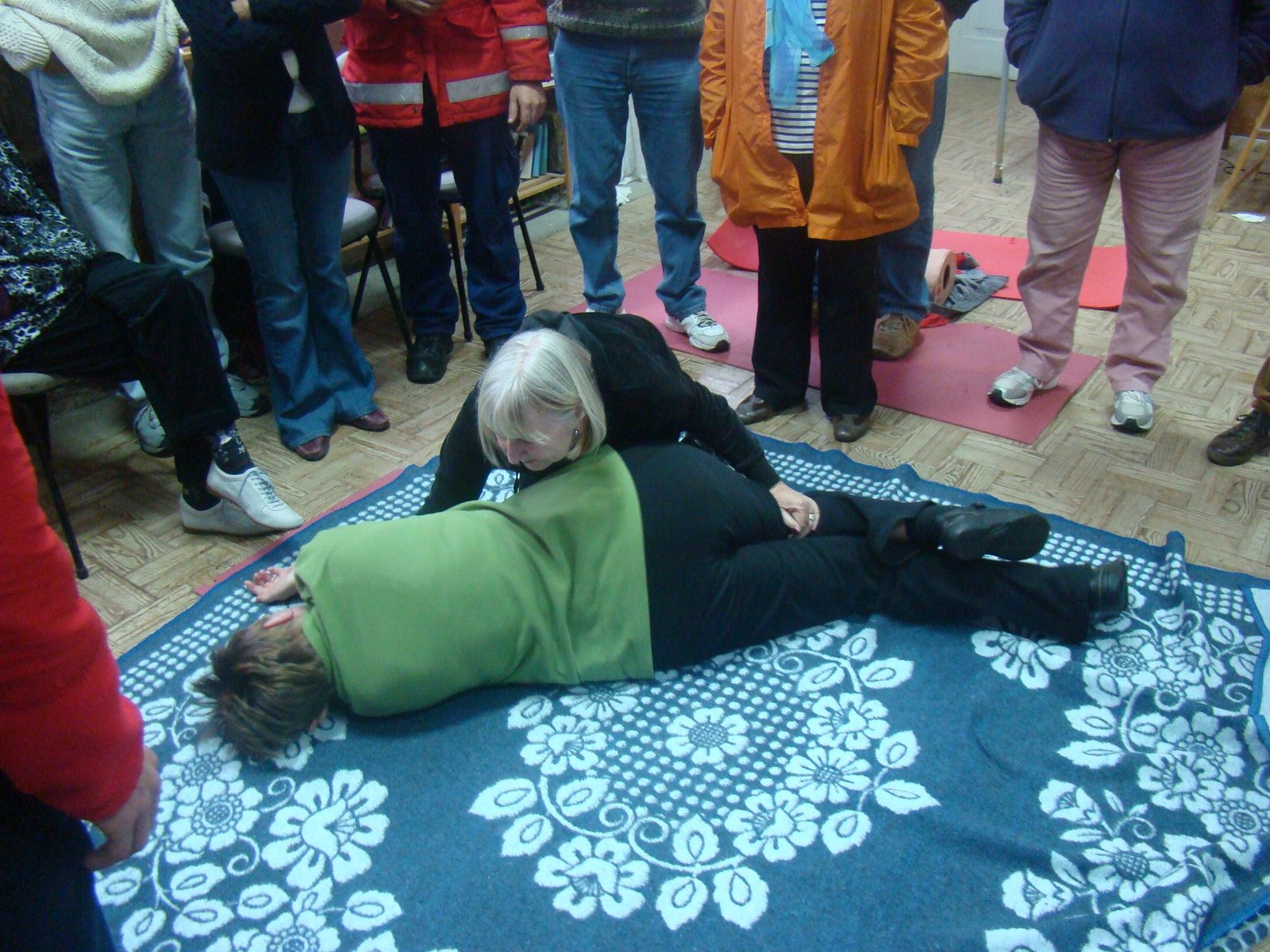
The photographs here give you a guide to how each class will unfold.
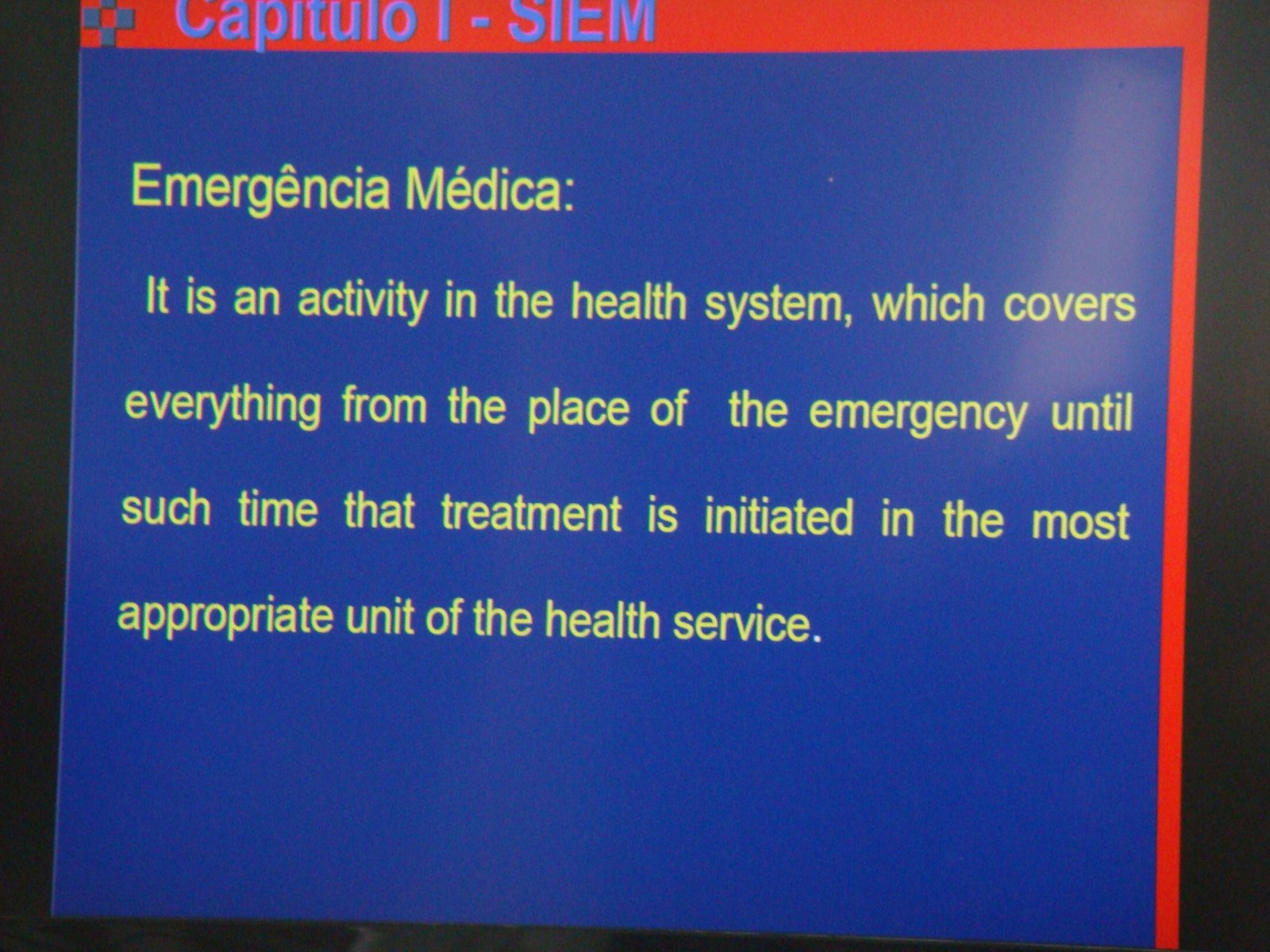
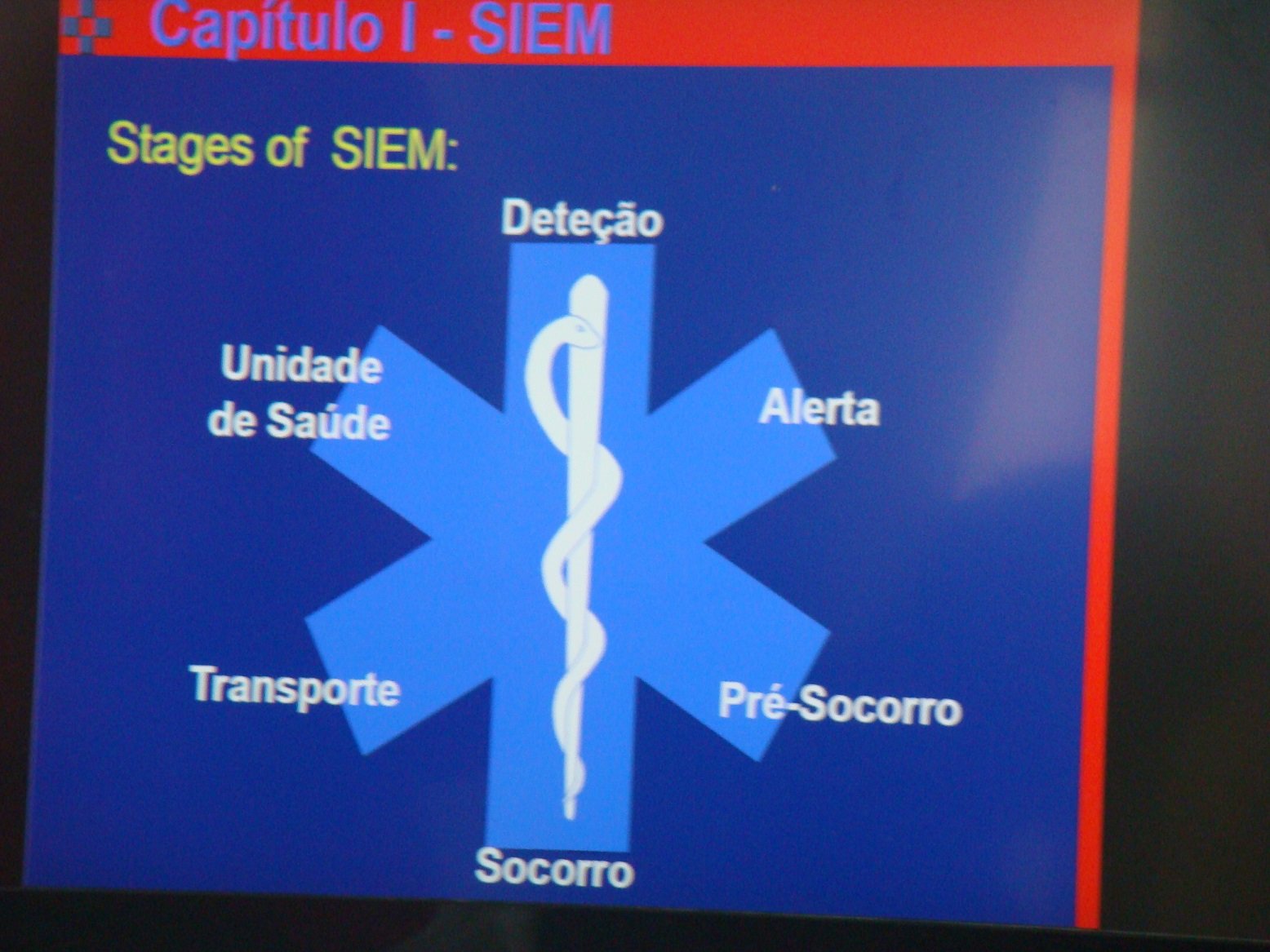
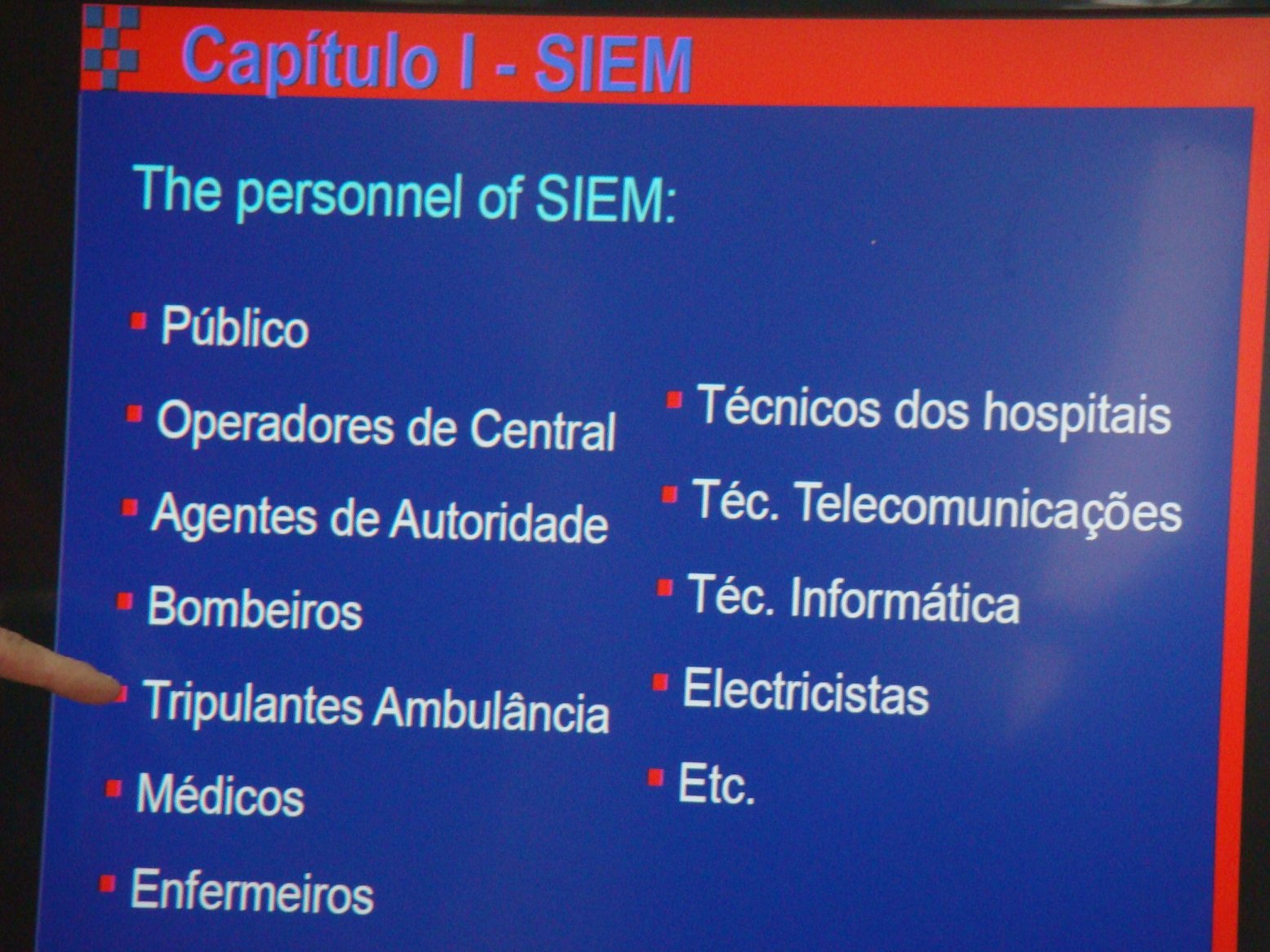
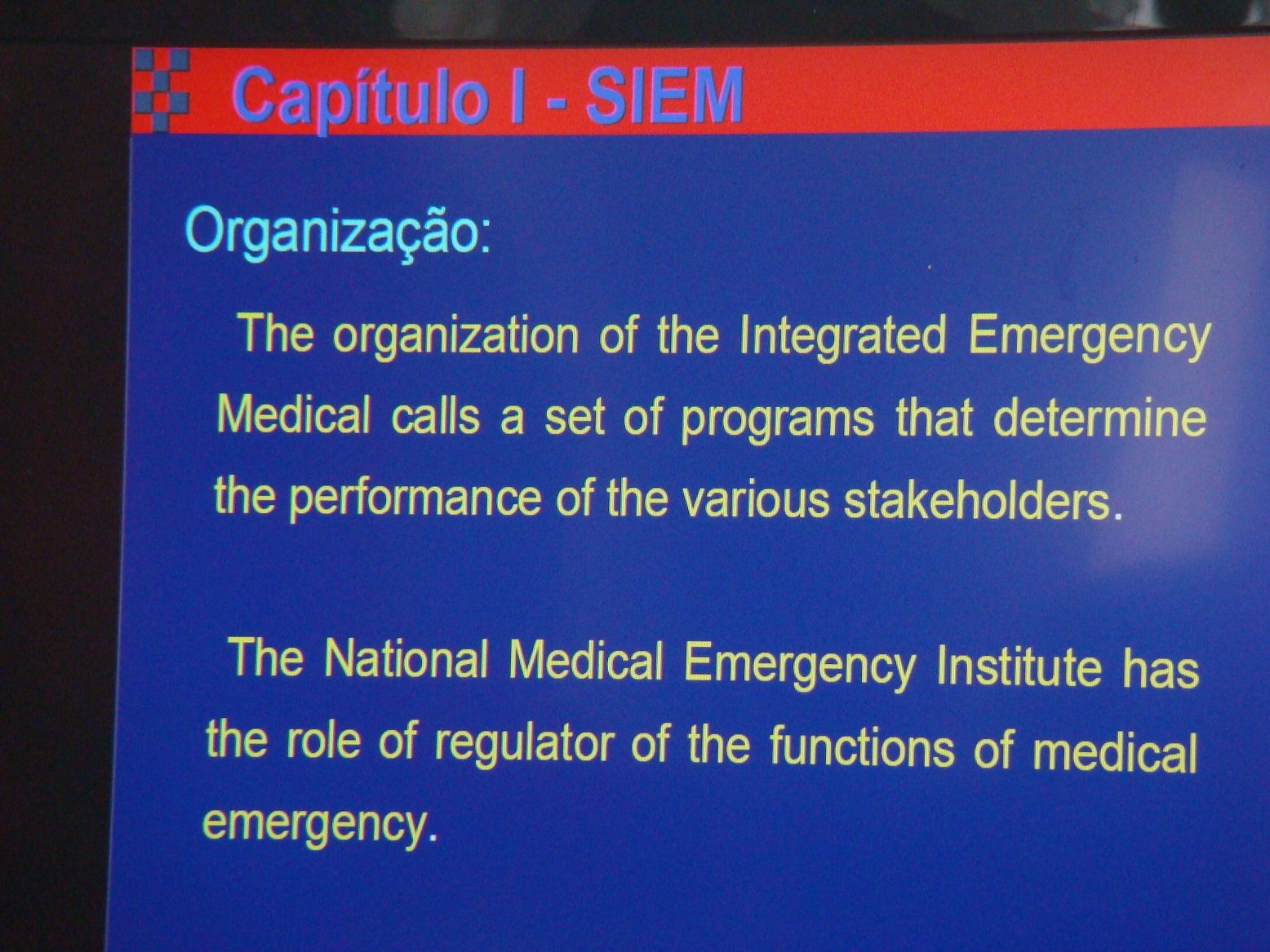
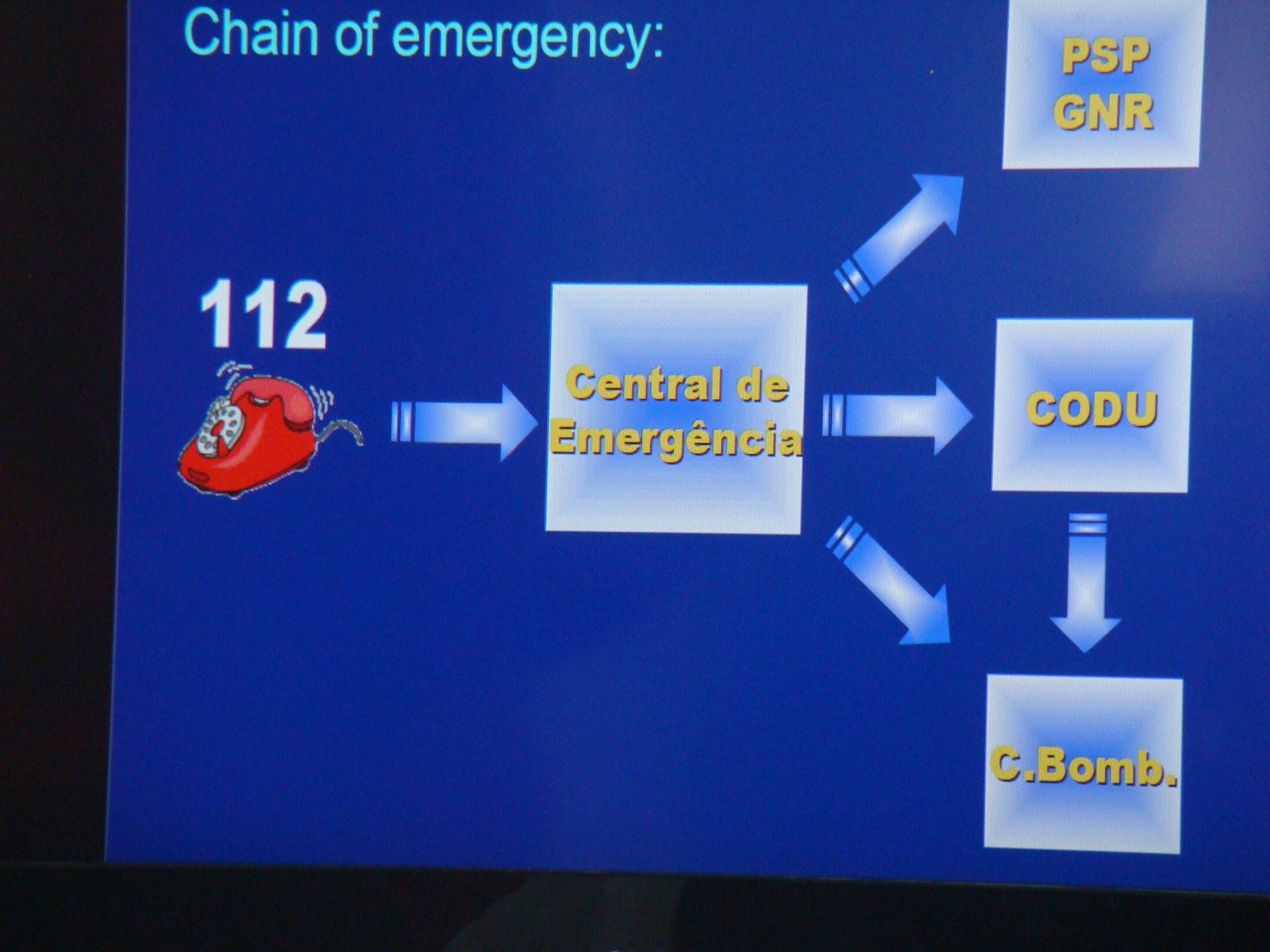
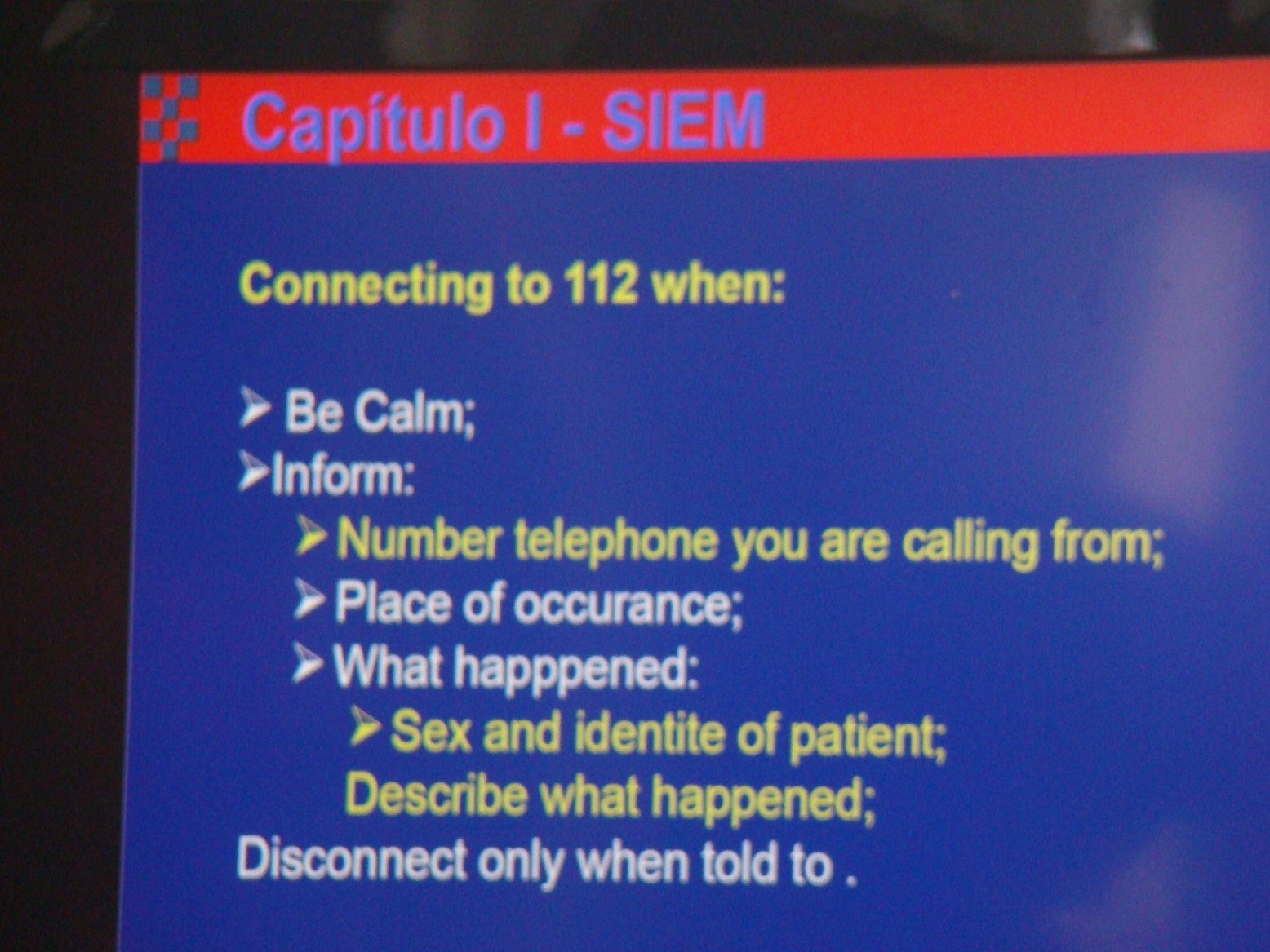
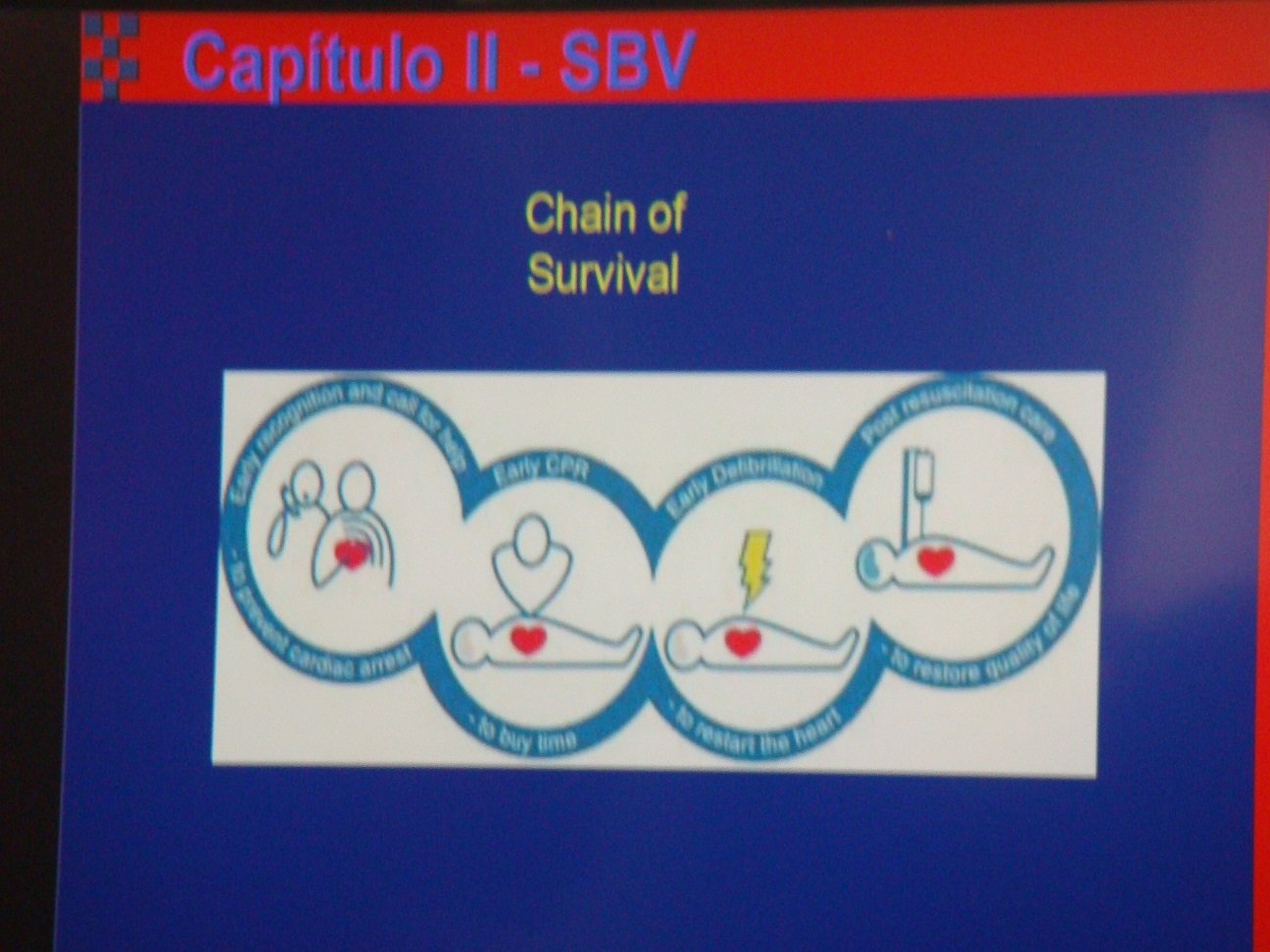
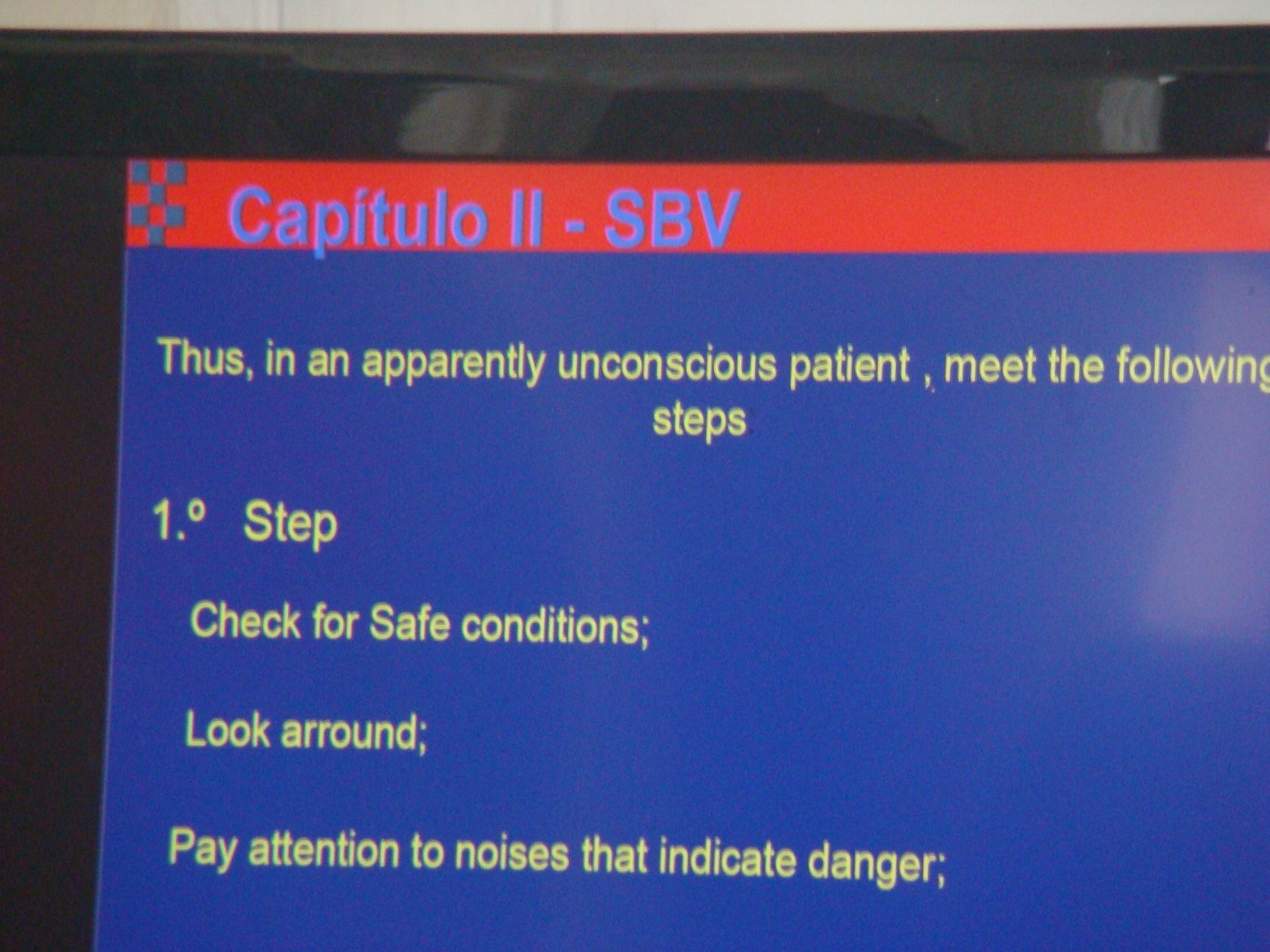
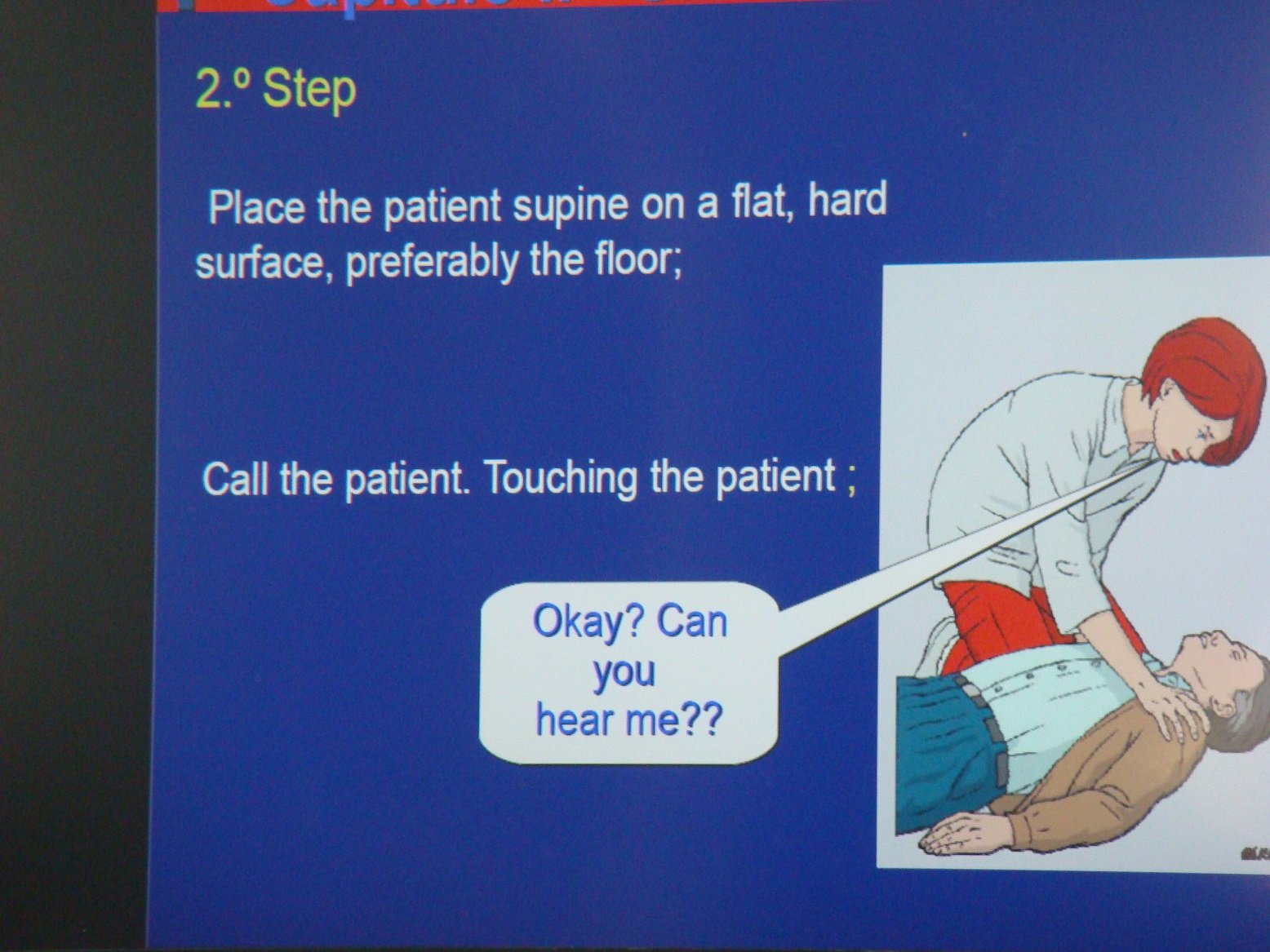
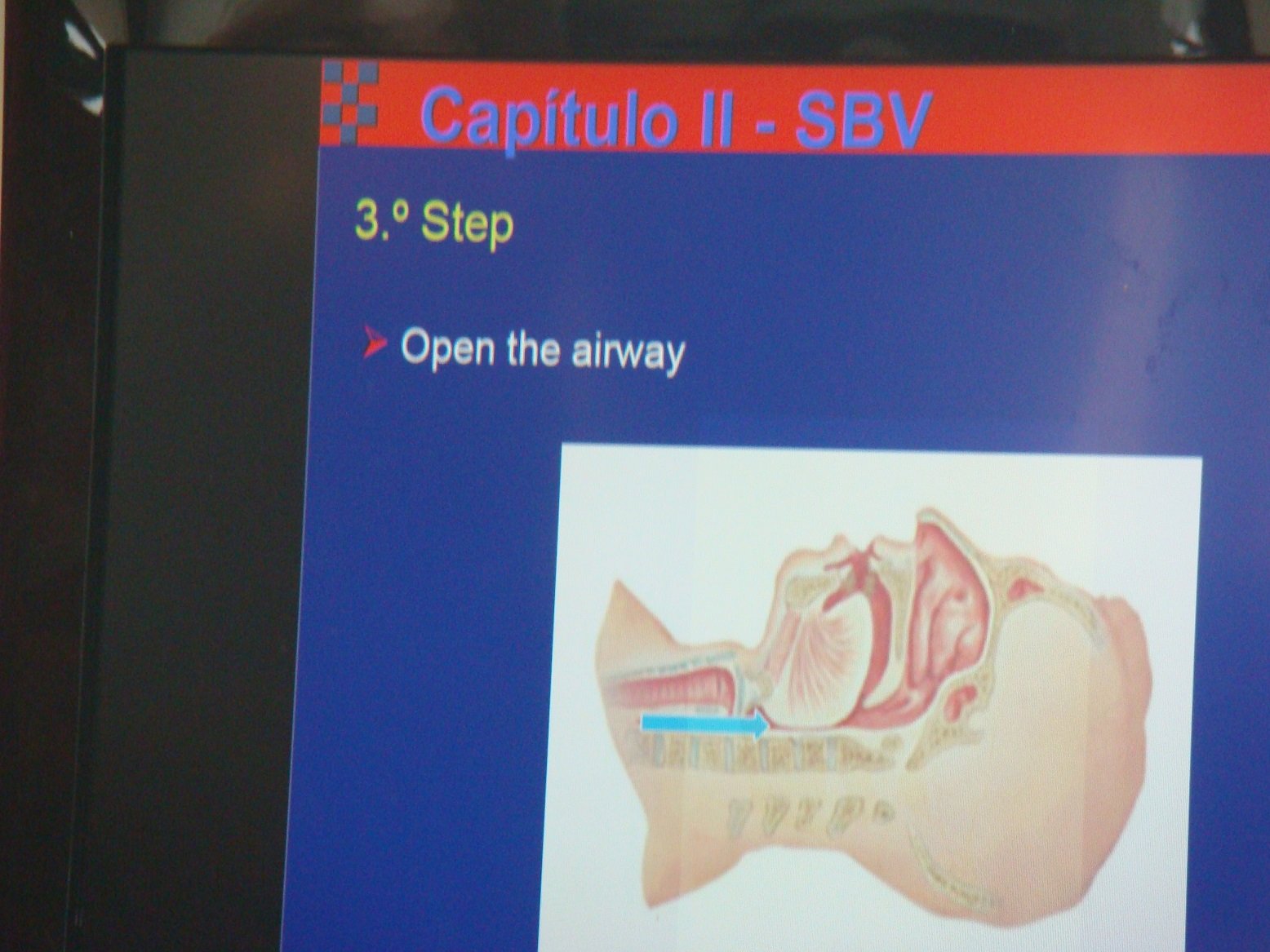
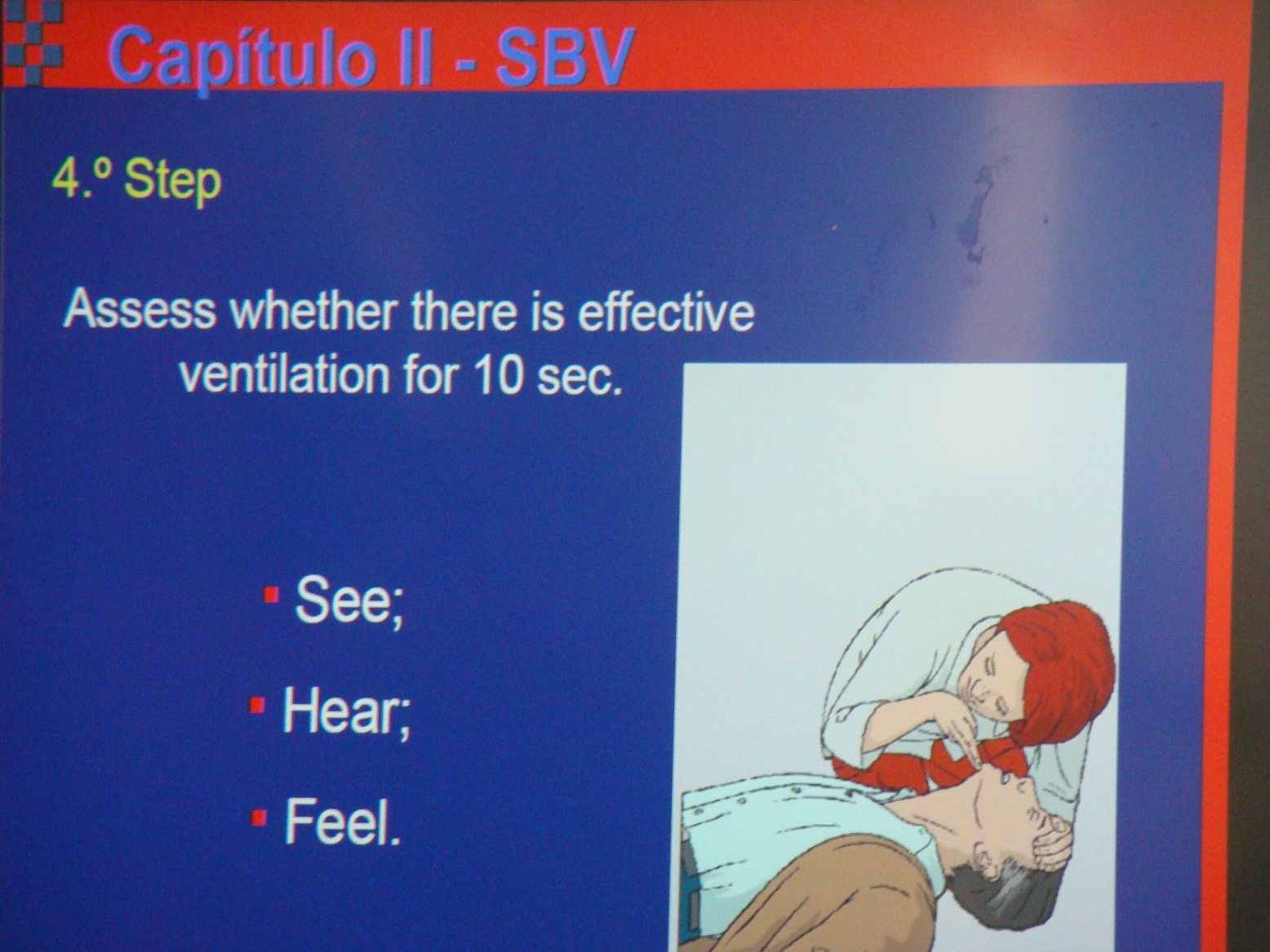
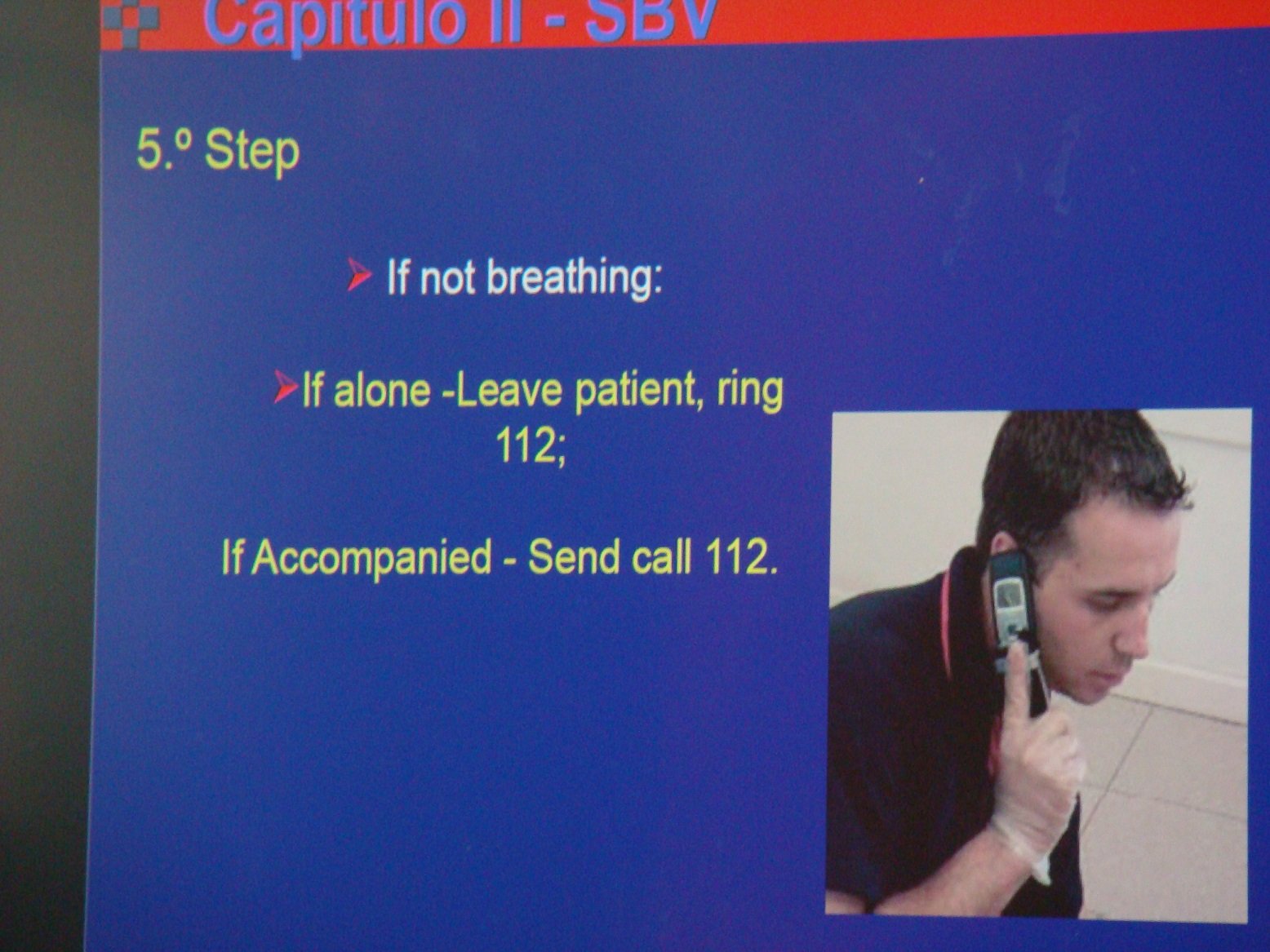
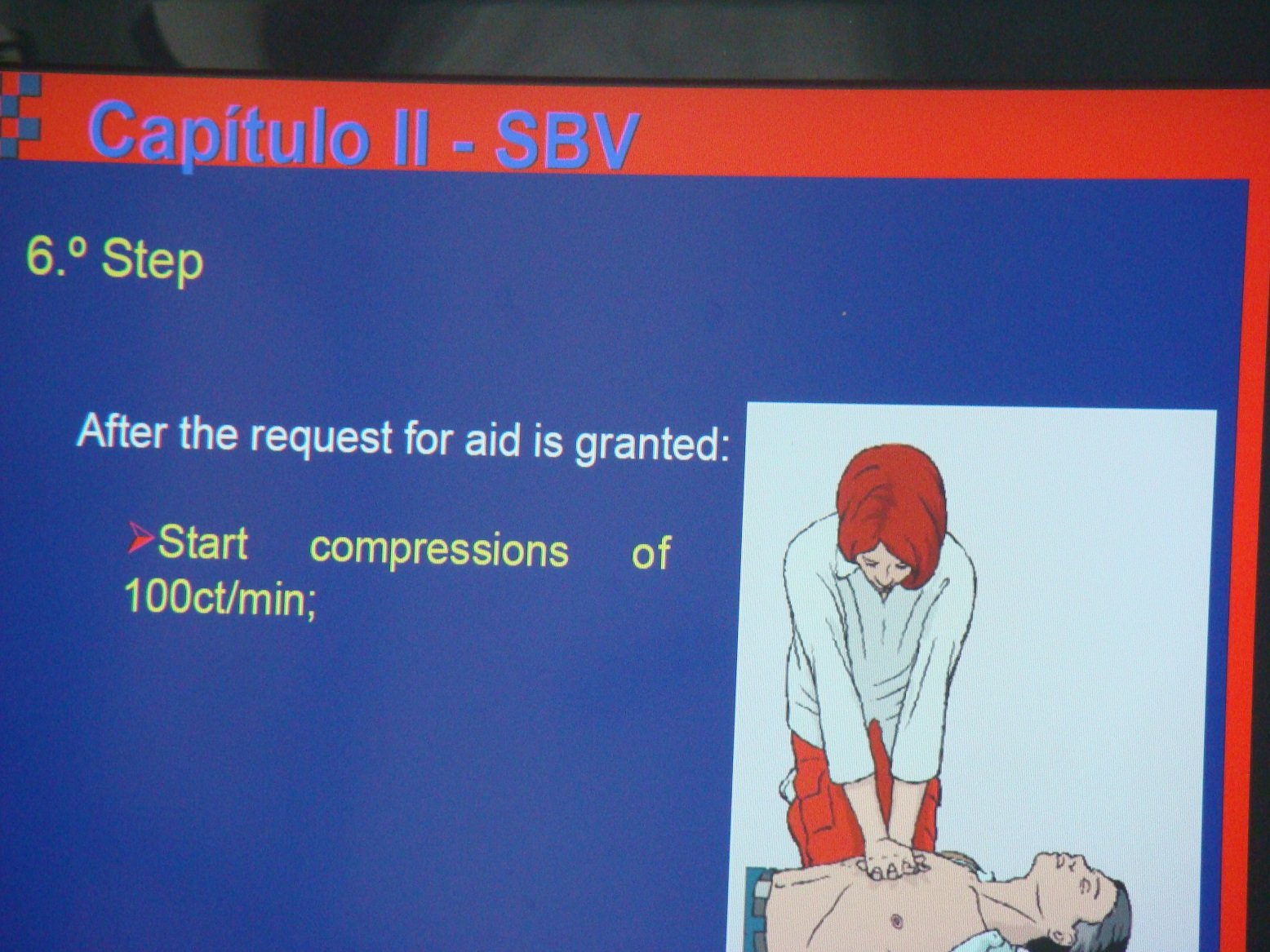
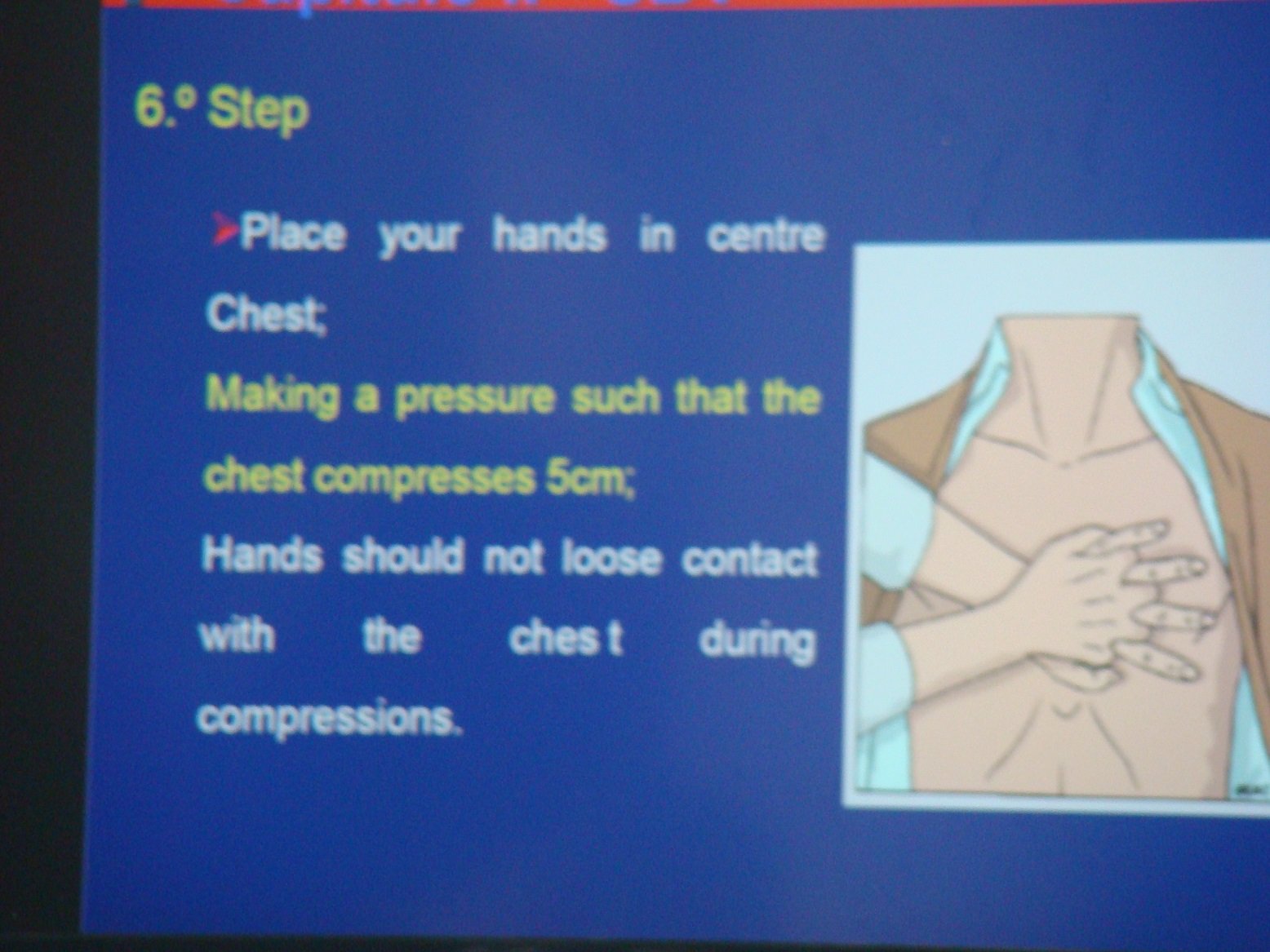
First there is a brief introduction, then Bombeiros officer Davide Costa and his colleague Antonio take you, in English, through an audio-visual display to show what is required when you come across an emergency situation—and explaining that these are the steps you will be taught during the session.
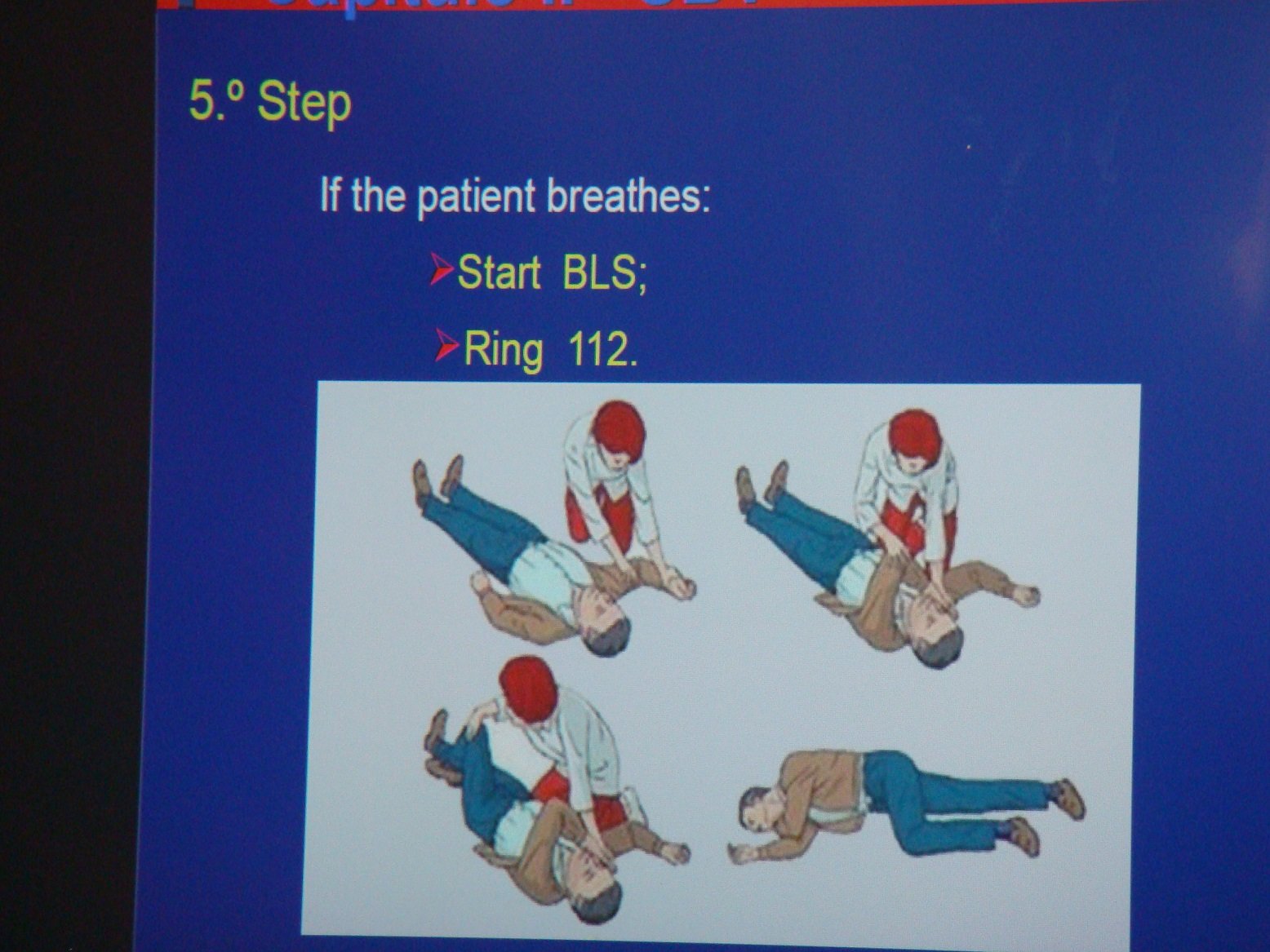
The first part of the procedure, working with standard resuscitation training dummies, is an assessment of the emergency situation, and, if the patient is not breathing, calling 112 and beginning basic CPR—a procedure with which you will probably be familiar from the aforementioned Vinnie Jones “Stayin’ Alive” UK Government video.
Then you will be taught to turn the patient into the recovery position if the patient is still breathing, before calling 112, and waiting for professional help.
Incidentally, at this point, it is worth noting that ladies may prefer to wear slacks or jeans for comfort as they will be required to kneel over and crouch over the “patient” to administer the necessary treatment.
Finally, each volunteer will undertake a combination of the two procedures—discovering the patient, making an assessment (clearing the airway etc.) taking the necessary action and, of course, dialling 112.
Part of the training involves teaching the volunteer the exact procedure for calling the emergency services, such as giving the operator full and precise details of your telephone number, name, location, description of the nature of the emergency (including a visual description of the patient) and anything else the operator will ask.
It is a very detailed and informative session and as one of the 16 volunteers said afterwards:
“If someone had collapsed in front of me at lunchtime he’d have been a goner. Now he’d have a fighting chance”.
All 16 candidates are reported to have “passed successfully with ease and some laughter” and will be receiving an official Bombeiros certificate in the near future.
More sessions—all of them at The Old School House—have already been drawn up, the next one being Tuesday 25th February 2014 at 2pm. All 16 volunteers due to take part that day have been informed by Sue Kenyon.
If you have not already volunteered, and your interest has been stirred by this article and a desire to be in a position to help when emergencies like this arise in what—we must all reluctantly conceded!—is an ageing population, you can contact Sue at her e-mail address included earlier in this article.
The Bombeiros, Sue, Dr Dave and Steve say they are quite happy to continue adding further training classes as and when more people step forward to take part.
Sub-Section leader Costa says the more people they train in these life-saving techniques the happier they are, as it makes their job easier when such an individual is first on the scene of an emergency.
So, step forward and sign up—the life you save may be that of someone in your own household or family!
ENDS